A grant heat pump is one of the best ways to reduce the cost of installing a heat pump in the UK. The government’s Boiler Upgrade Scheme offers a grant heat pump of up to £7,500, making heat pump installation affordable for most homeowners.
But what exactly is this funding? How much can you get? And how do you apply?
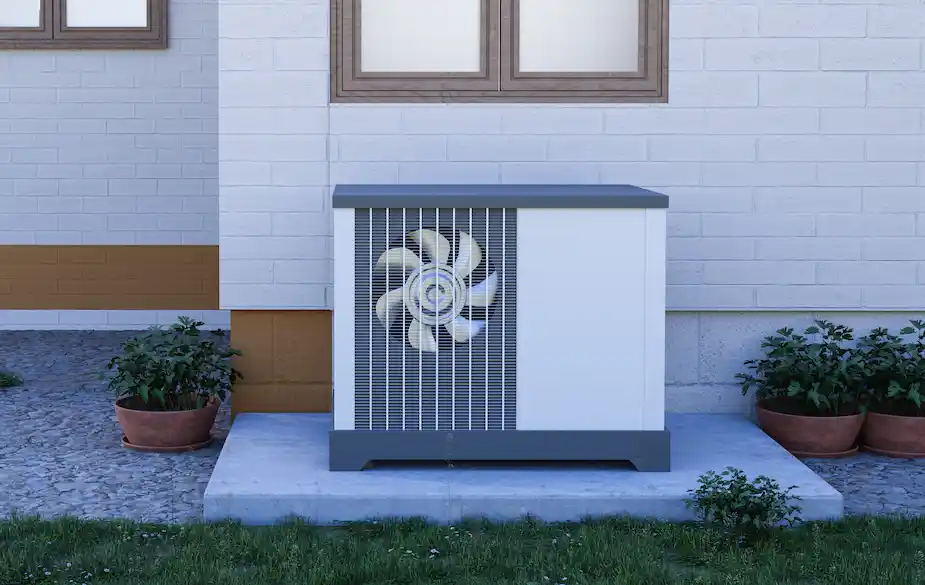
In this comprehensive guide, we’ll cover everything you need to know about heat pump funding in the UK, including what the scheme is, how much funding is available, the timeline for approval, eligibility requirements, how to apply, common mistakes to avoid, how it compares to other schemes, a complete checklist, and frequently asked questions.
Let’s walk through the process so you can start saving money on your installation today.
What is a Heat Pump Grant?
A heat pump grant is government funding that helps UK homeowners pay for heat pump installation. The main scheme is the Boiler Upgrade Scheme (BUS), which provides up to £7,500 towards the cost of a heat pump installation.
Understanding Heat Pump Funding
This support is essentially a government subsidy that reduces the upfront cost of installing a heat pump. When you apply, you receive a voucher worth £2,500–£7,500 depending on the system type. Your installer uses this voucher to reduce your final bill: you pay only the remaining balance, and the discount is applied directly to your invoice.
This scheme makes renewable heating affordable for homeowners who might otherwise struggle with the upfront investment. Instead of paying £8,000–15,000 for an air source heat pump, you might pay as little as £500–7,500 after funding is applied.
This mechanism is designed to accelerate the adoption of heat pumps across the UK, helping the country meet its ambitious climate targets while making clean heating technology accessible to ordinary homeowners.
There’s a more in-depth explanation on heat pumps prices available in our full guide.
The Boiler Upgrade Scheme: Grant Heat Pump Explained
| Aspect | Details |
|---|---|
| Scheme name | Boiler Upgrade Scheme (BUS) |
| Grant heat pump amount | £2,500-7,500 |
| Heat pump types covered | Air source, ground source, air-to-air |
| Grant heat pump eligibility | Most UK homeowners in England & Wales |
| Installer requirement | MCS-certified only |
| Grant heat pump timeline | 10-15 weeks |
| Scheme availability | Until 2028 minimum |
Source: Ofgem Boiler Upgrade Scheme (January 2026)
The Boiler Upgrade Scheme is administered by Ofgem and funded by the UK government. Since its launch in May 2022, the scheme has received over 100,000 applications, demonstrating strong demand for heat pump support.
Why the Government Offers This Funding
The government offers this support for several critical reasons aligned with national climate and energy policy.
The UK is committed to reducing carbon emissions by 78% by 2035 and reaching net-zero emissions by 2050. Heating accounts for around 37% of UK carbon emissions, making it a crucial area for climate action. By offering financial help, the government encourages homeowners to switch from gas boilers to renewable heating systems.

The government plans to phase out new gas boiler installations by 2035, and this funding makes the transition more affordable and realistic for homeowners. The scheme supports the growing UK heat pump industry, creating jobs and building supply chain capacity.
Grant heat pump also helps address fuel poverty by reducing long-term heating costs. Heat pumps typically save £500–1,200 annually compared to gas or oil heating, meaning the scheme creates both upfront savings and ongoing bill reductions.
Heat Pump Grant Amounts: How Much Can You Get?
The amount you can receive depends on the type of heat pump you’re installing.
For a more complete overview of the different types of heat pumps, feel free to check out our full guide.
Here’s the breakdown of funding available in 2025–2026.
Amounts by Type
| Heat Pump Type | Grant Amount | Typical Installation Cost | Net Cost After Grant |
|---|---|---|---|
| Air Source (Air-to-Water) | £7,500 | £8,000-15,000 | £500-7,500 |
| Ground Source | £7,500 | £20,000-30,000 | £12,500-22,500 |
| Air-to-Air | £2,500 | £4,000-9,500 | £1,500-7,000 |
| Biomass Boiler | £5,000 | £9,000-15,000 | £4,000-10,000 |
Source: Ofgem BUS, UK Government (November 2025 update)
These amounts were significantly increased in November 2025 when the government expanded the scheme.
Why the Amounts Differ
Funding levels differ because each technology has distinct installation costs and complexity.
- Air Source Heat Pump (£7,500):
Air source systems receive the highest support because they’re the most popular choice for UK homes. With installation costs of £8,000–15,000, the £7,500 covers 50–94% of total costs.
- Ground Source Heat Pump (£7,500):
Despite higher installation costs of £20,000–30,000, ground source systems also receive £7,500. While this covers a smaller percentage, it helps make this highly efficient technology more accessible.
- Air-to-Air Heat Pump (£2,500):
Air-to-air systems received a lower amount of £2,500 when they were added in November 2025. With installation costs of £4,000–9,500, this still covers 26–63% of costs.
What’s Included in the Funding
The grant heat pump can be used towards equipment, installation labor, electrical upgrades, refrigerant lines, pipework, drainage systems, and system testing.
It does not cover radiator replacement unless essential, major structural work, insulation upgrades, annual maintenance, extended warranties, or decorative repairs.
Always discuss with your installer exactly what’s included in their quote and what the funding covers.
Savings Example
Air Source Heat Pump Installation
Without funding:
- Total installation cost: £12,000
- Your out-of-pocket cost: £12,000
- Annual savings vs gas boiler: £600
- Payback period: 20 years
With funding:
- Total installation cost: £12,000
- Grant heat pump deduction: -£7,500
- Your out-of-pocket cost: £4,500
- Annual savings vs gas boiler: £600
- Payback period: 7.5 years
The scheme cuts your installation cost by 63% and reduces the payback period from 20 years to just 7.5 years, making heat pumps a much more attractive investment for UK homeowners.
Grant Heat Pump Timeline: How Long Does It Take?
Understanding the timeline helps you plan your installation properly and set realistic expectations for the process.
Complete Timeline
| Stage | Duration | Details |
|---|---|---|
| Find installer | 1-2 weeks | Get quotes for grant heat pump |
| Property survey | 1 week | Assessment for grant heat pump suitability |
| Get quotation | 3-5 days | Installer provides detailed quote |
| Submit application | 1-2 days | Installer submits grant heat pump application |
| Application review | 2-4 weeks | Scheme checks grant heat pump eligibility |
| Grant heat pump approval | 4-8 weeks | Final approval from Ofgem |
| Voucher issued | 6-10 weeks | You receive grant heat pump voucher |
| Installation | 1-5 days | Actual work with grant heat pump applied |
| Total | 10-15 weeks | From start to completion |
Source: Ofgem BUS processing times (January 2026)
Why it Takes So Long
The application process for grant heat pump takes 10–15 weeks because of several necessary administrative steps that ensure the scheme operates properly.
During the review phase lasting 2–4 weeks, Ofgem checks your eligibility against all scheme requirements, verifies your property details and Energy Performance Certificate, confirms your installer’s MCS certification is current and valid, and ensures the proposed installation meets technical standards.
The approval phase taking 4–8 weeks involves final validation by the scheme administrator, allocation of funding from the government budget, generation of your unique voucher code, and communication of approval to both you and your installer.
Most of the timeline involves waiting for official approvals rather than any action required from you. The actual installation only takes 1–5 days once your voucher is confirmed.
How to Speed Up the Process

While you cannot speed up the official approval process managed by Ofgem, you can minimize delays by being well prepared from the start.
Have all required documents ready before starting your grant heat pump application, including proof of property ownership, your current valid EPC, details of your existing heating system, and your contact information.
Choose an experienced MCS-certified installer early who regularly handles applications under this scheme. These installers know the system well and can move through the steps more efficiently.
Submit your application as soon as you’re ready rather than delaying. The sooner you apply, the sooner you’ll receive approval and can schedule installation.
Respond quickly to any requests for additional information from your installer or the scheme administrator to avoid unnecessary delays.
Keep in regular contact with your installer throughout the process so you’re aware of progress and can address any issues that arise immediately.
Grant Heat Pump Eligibility: Who Qualifies?
Not all homeowners qualify for this funding. The Boiler Upgrade Scheme has specific eligibility requirements. Here’s who can apply and what criteria must be met.
Basic Eligibility Requirements
To qualify, you must meet all of the following criteria:
- You own the property or have permission from the owner
- The property is located in England or Wales only
- You’re replacing a fossil fuel heating system (gas, oil, or LPG boiler)
- You use an MCS-certified installer for the work
- You haven’t received a grant heat pump for this property before
- The property has a valid Energy Performance Certificate (EPC)
- You’re installing for domestic purposes, not commercial
- The installer will redeem the voucher, not you directly
Verify all these requirements before starting your application to avoid delays or rejection.
Property Requirements
Your property must meet certain criteria beyond basic homeowner requirements to qualify for grant heat pump.
The property must currently be heated by a fossil fuel system such as gas, oil, or an LPG boiler. If you’re replacing an existing heat pump with a newer model, you typically won’t qualify unless specific upgrade circumstances apply.
Your home needs suitable outdoor space for the external unit. This is particularly important for air source systems, which require adequate clearance for proper airflow and maintenance access.
The property must have sufficient electrical capacity to support the system. In many cases, electrical upgrades are needed, and these costs can be included in the overall installation that the scheme helps fund.
You’ll need a valid EPC for your property. The certificate cannot be more than 10 years old, though some exceptions apply. Your installer can help you obtain one if you don’t have a current EPC.
Installer Requirements
To receive grant heat pump, you must use an MCS-certified installer. This is non-negotiable and one of the most important requirements.
MCS certification ensures the installer is qualified and registered to install renewable heating systems to the highest standards. It guarantees your installation meets quality requirements, provides warranty protection, and makes you eligible for the scheme’s support.
Using a non-MCS certified installer means you won’t receive the funding, losing £2,500–7,500. You’ll also lack warranty protection and may face issues with insurance or future property sales.
Always verify your installer’s MCS certification before applying. Check their credentials on the MCS website using the certification database. Reputable installers provide their certificate number upfront and handle the application process on your behalf.
Income Restrictions for Grant Heat Pump
Here’s excellent news for homeowners considering this scheme: there are no income restrictions whatsoever.
This means anyone can apply regardless of their income level. There’s no means testing, no income limits, no savings limits, and no requirement to prove financial hardship.
Unlike some government programs that target specific income groups, this funding is available to all eligible homeowners. Whether you’re a high earner or on a modest income, you can access the same £2,500–7,500 support.
This universal approach makes the scheme accessible and straightforward to apply for, removing barriers that often complicate other government programs.
How to Apply
Applying for this funding is straightforward once you understand the process. Here’s a step-by-step guide to securing your support.
Step 1: Find an MCS-Certified Installer
The first and most crucial step is finding an MCS-certified installer who can handle the application on your behalf.
To find a qualified installer, visit the MCS website and use their installer finder tool. Enter your postcode to locate certified installers in your area. It’s recommended to get quotes from at least 2–3 installers to compare prices, services, and timelines.
When contacting installers, confirm they are currently MCS-certified and experienced with the Boiler Upgrade Scheme. Ask how many applications they’ve successfully processed. Reputable installers will be familiar with the process and handle most of the paperwork for you.
Check reviews and ask for references from previous customers who used the funding. This ensures you’re working with a reliable installer who will complete the work to high standards.
Step 2: Get a Quotation for Grant Heat Pump
Once you’ve chosen an installer, they’ll visit your property to assess your heating needs and provide a detailed quotation for your installation.
The quotation should clearly show the total equipment cost, installation labor, any additional work needed such as electrical upgrades, the funding amount that will be deducted from your total, your net costafter support is applied, the expected timeline for installation, and warranty details for equipment and labor.
A professional quotation makes it clear exactly how much you’ll save with the scheme. For example, if your installation costs £12,000 and you receive a £7,500 grant, your actual cost will be £4,500.
Review the quotation carefully and ask questions about anything unclear. Make sure all costs are itemized and the funding is properly accounted for before proceeding.
Step 3: Apply for Your Grant Heat Pump
Your MCS-certified installer will submit the application on your behalf through the official Boiler Upgrade Scheme portal. You don’t need to apply directly yourself.
The application includes detailed property information, a description of your current heating system, specifications of the proposed system, planned installation timeline, your contact information, and proof that you meet all eligibility requirements.
Your installer will also provide their MCS certification details, technical specifications of the equipment, and confirmation that the installation meets all scheme requirements.
Most professional installers handle the application automatically as part of their service. You’ll need to provide some information and documentation, but the installer manages the submission and follows up on the status.
Step 4: Receive Approval
After your installer submits the application, your request goes through a review process managed by Ofgem.
The review involves checking your eligibility against all scheme requirements, verifying your installer’s MCS certification, confirming the proposed installation meets technical standards, and ensuring funding is available within the scheme budget.
The timeline for approval typically follows this pattern: initial application review takes 2–4 weeks, full approval takes 4–8 weeks, and the voucher is issued within 6–10 weeks of the original application.
Once approved, you’ll receive a voucher code that your installer uses to redeem the funding. This voucher is typically valid for three months, during which the installation must be completed.
Step 5: Installation with Grant Heat Pump
With your voucher confirmed, your installer can schedule and complete the installation.
The process involves the installer carrying out the physical work over 1–5 days depending on the system type, commissioning and testing it thoroughly, and providing you with user training and documentation.
When the installation is complete and working properly, your installer redeems the voucher. The funding amount is deducted from your total invoice automatically, and you pay only the remaining balance.
For example, if your total cost is £12,000 and you have a £7,500 voucher, you’ll pay your installer £4,500. The installer then claims the £7,500 directly from the scheme, ensuring you benefit from the full funding without paying upfront or claiming a rebate.
Common Mistakes to Avoid

Many homeowners make avoidable mistakes when applying for a grant heat pump. Learning from these common errors can save you time, money, and considerable frustration.
Mistake 1: Using a Non-MCS Installer for Grant Heat Pump
The most costly mistake is hiring an installer who isn’t MCS-certified, which immediately disqualifies you from funding.
If you use a non-MCS installer for work, you won’t qualify for any funding, losing £2,500-7,500. You’ll have no warranty protection under the scheme, may face issues selling your property later, and could have problems with insurance claims if something goes wrong.
Always verify your installer’s MCS certification before applying for a grant heat pump. Ask to see their certificate and check the MCS database online. Reputable installers provide this information immediately without hesitation.
Mistake 2: Applying for Grant Heat Pump Before Getting Quotes
Don’t rush to apply before getting comprehensive quotes from multiple installers.
You need accurate installation costs for your application, detailed quotes are required, and you need to compare prices and services to choose the best installer for your needs.
Get 2–3 quotes first, compare them carefully, then submit your application with your chosen installer. This ensures you get good value even with government funding.
Mistake 3: Not Checking Grant Heat Pump Eligibility First
Some homeowners invest significant time into the application only to discover they don’t qualify.
Common reasons for rejection include a property built after the eligibility cutoff, not replacing a fossil fuel heating system, using a non-MCS installer, having already received funding for this property, not having a valid EPC, or being in Scotland where a different scheme applies.
Check your eligibility carefully before starting the application. Your installer should review these with you, but verify independently to be certain.
Mistake 4: Waiting Too Long to Apply for Grant Heat Pump
Delaying your application can have several negative consequences that reduce the value of funding.
If you wait too long to apply for a grant heat pump, you might miss the heating season when you need it most. The 10-15 week timeline means applying in autumn could result in winter installation when heating demand is highest.
Popular installers get booked months in advance, especially during peak seasons. Waiting reduces your choice of installers.
While the scheme is funded through 2028, applying sooner locks in current funding levels. Grant amounts could potentially be adjusted in future budget announcements.
Mistake 5: Not Understanding the Grant Heat Pump Timeline
Many homeowners expect instant approval and quick installation, then become frustrated when the process takes several months.
The 10–15 week timeline for approval is normal and necessary for proper processing. Setting realistic expectations from the start prevents disappointment.
Don’t expect instant approval, same-week installation, or immediate payment. Expect 2–4 weeks for application review, 4–8 weeks for approval, 6–10 weeks for voucher issuance, and 1–5 days for the actual installation.
Plan your application timing around when you actually need the installation completed. If you need heating by November, start the process in July or August to allow adequate time.
We’ve written a full guide of things that you should know before installing a heat pump.
Grant Heat Pump vs Other Government Schemes
The Boiler Upgrade Scheme is the main funding option, but other government schemes exist. Understanding how it compares to alternatives helps you maximize your savings.
Grant Heat Pump vs Energy Company Obligation (ECO4)
The Energy Company Obligation is another government scheme that can fund heating improvements, though it works very differently.
| Feature | Grant Heat Pump (BUS) | ECO4 Scheme |
|---|---|---|
| Funding Amount | £2,500-7,500 | Varies, can exceed £10,000 |
| Who Qualifies | All homeowners | Low-income households only |
| Income Limit | None | Yes, means-tested |
| Application Process | Straightforward | More complex |
| Timeline | 10-15 weeks | 12-24 weeks |
| Installer Type | MCS-certified | ECO-approved |
For most homeowners, grant heat pump through BUS is the better option because it’s available to everyone, has a simpler application process, and provides predictable funding amounts.
ECO4 is worth exploring if you’re on a low income or receive certain benefits, as you might qualify for additional support beyond standard funding.
For a more complete overview of the price for a heat pump, feel free to check out our full guide.
Grant Heat Pump vs Local Authority Schemes
Some local authorities offer additional grants that can be combined with national funding.
In Greater London, some boroughs provide an extra £2,000–5,000 on top of the national support, for total assistance of £9,500–12,500. Scotland operates its own scheme with grants up to £9,000 plus interest-free loans, which replaces the BUS scheme in England and Wales. Residents in Wales can access standard funding but may also qualify for additional support through the Welsh Government’s Warm Homes Programme.
Check with your local authority to see if extra funding is available beyond the national support in your area.
Grant Heat Pump vs Renewable Heat Incentive (RHI)
The Renewable Heat Incentive was the previous government scheme before the current funding was introduced.
RHI closed to new applications on March 31, 2022, and was replaced by the Boiler Upgrade Scheme. If you installed under RHI before this date, you continue receiving payments, but you cannot apply for both RHI and the new funding for the same installation.
Key differences include RHI providing payments over seven years based on heat generated, while the current scheme offers an upfront discount. RHI required ongoing meter readings and reporting, whereas the new funding is a one-time payment with no ongoing obligations.
If you’re applying now, you’ll use the Boiler Upgrade Scheme, not RHI. The upfront nature of this funding is generally preferred by homeowners as it reduces the initial financial burden significantly.
Which Grant Heat Pump Scheme Should You Use?
For most homeowners, the answer is straightforward: use grant heat pump through the Boiler Upgrade Scheme.
This offers the easiest application process, fastest approval at 10-15 weeks, no income restrictions, availability to most homeowners in England and Wales, and predictable funding of £2,500-7,500.
Only consider alternatives to standard grant if you don’t qualify for BUS, you’re in Scotland or Wales with local schemes, your local authority offers additional funding, or you’re low-income and might qualify for larger ECO4 support.
You can find the complete cost of installing a heat pump breakdown in our longer article.
Grant Heat Pump Checklist: Everything You Need
Before applying, use this comprehensive checklist to ensure you have everything ready for a smooth application process.

Before You Apply for a Grant Heat Pump
Complete these essential steps before starting your application:
- Check your property qualifies (England or Wales, replacing fossil fuel heating)
- Confirm you’re replacing a gas, oil, or LPG boiler
- Find at least 2-3 MCS-certified installers in your area
- Get detailed quotes for comparison
- Gather proof of ownership such as mortgage statement or title deed
- Obtain or locate your property’s valid EPC
- Confirm no previous grant heat pump (through BUS) received for this property
- Double-check your chosen installer’s current MCS certification
- Understand the 10-15 week timeline
- Plan your installation timing appropriately
- Budget for remaining costs after funding
Documents You’ll Need for Grant Heat Pump Application
Your installer will need these documents to complete your application:
- Proof of property ownership
- Current valid Energy Performance Certificate (EPC)
- Details of your current heating system
- Installer quotation with itemized costs
- Installer’s MCS certificate number
- Property address and postcode
- Your contact information
- Proof of identity
Having these documents ready before starting speeds up the process and prevents delays in your application.
After You Receive Your Grant Heat Pump
Once your funding is approved, complete these final steps:
- Receive and verify your voucher code
- Share voucher details with your installer
- Schedule the installation date
- Prepare your home by clearing access areas
- Arrange time off work if needed for installation
- Prepare payment for remaining balance
- Review insurance coverage if needed
- Plan temporary heating if installing during winter
- Prepare questions for installer training
- Set up filing system for warranty documents
FAQ: Common Questions About Grant Heat Pump
Can I get a grant heat pump if I’m renting?
No, it’s only available to property owners.
To check your eligibility, read this section.
Can I get a grant heat pump for a second home?
Yes, if it meets eligibility requirements.
Read more about the requirements.
Can I get a grant heat pump if I already have a heat pump?
No, it’s for replacing fossil fuel systems. If you already have a heat pump, you typically don’t qualify.
How much will I save with a grant heat pump?
It saves you £2,500-7,500 on installation costs.
Can I use a grant heat pump with other funding?
Yes, in many cases you can combine funding with other sources. You can use it alongside local authority grants for additional support, employer green schemes if your workplace offers them, and personal savings or loans. However, you cannot combine it with the old RHI scheme for the same installation.
There’s a more in-depth explanation and comparison available in our complete section.
What if my grant heat pump application is rejected?
If rejected, first request detailed feedback explaining why. Common reasons include non-MCS installer, property doesn’t meet requirements, missing or invalid EPC, incomplete application, or previous funding already received. You can appeal if you believe the decision was wrong or reapply after addressing issues.
To avoid rejection, check the common mistakes before applying for grant heat pump.
Is a grant heat pump taxable income?
No, funding is not taxable income.
You can find the complete cost breakdown for installaling a heat pump in our longer article.
Will a grant heat pump be available in 2026?
Yes, the Boiler Upgrade Scheme is currently funded through at least 2028 and potentially 2030.
If you’re curious about government schemes, our detailed section covers it in much more detail.
Can I get a grant heat pump for a commercial property?
No, funding through BUS (Boiler Upgrade Scheme) is exclusively for residential properties used as domestic dwellings.
You’ll find additional insights and explanations on the requirements in our specific section.
Conclusion
A grant heat pump is the best way to make heat pump installation affordable in the UK. The Boiler Upgrade Scheme offers funding of £2,500-7,500, cutting your installation cost significantly and making renewable heating accessible to millions of homes.
Getting funding is straightforward when you follow the correct process. Find an MCS-certified installer, verify your eligibility, apply through your installer, wait 10-15 weeks for approval, and then complete your installation with funding deducted from your invoice.
Remember that funding ranges from £2,500 for air-to-air to £7,500 for air source and ground source systems, most homeowners in England and Wales qualify with no income restrictions, the timeline is 10-15 weeks, only MCS-certified installers can process applications, you’ll save thousands on installation plus ongoing energy bills, and the scheme is funded through 2028 with potential extension.
Ready to take the next step ? You can find the complete cost for a heat pump breakdown in our longer article to make sure it’s worth the price in your particular case.
Sources and References
This article was researched using verified data from the following authoritative UK sources:
- Ofgem. (2025). “Boiler Upgrade Scheme – Official Scheme Information and Statistics.” https://www.ofgem.gov.uk/environmental-and-social-schemes/boiler-upgrade-scheme
- UK Government. (2025). “Boiler Upgrade Scheme (BUS) – Apply for Heat Pump Grants.” https://www.gov.uk/apply-boiler-upgrade-scheme
- UK Government. (2025). “Discounts for families to keep warm in winter and cool in summer.” https://www.gov.uk/government/news/discounts-for-families-to-keep-warm-in-winter-and-cool-in-summer
- Energy Saving Trust. (2025). “Heat Pump Grants and Funding in the UK.” https://energysavingtrust.org.uk/grants-and-loans/
- MCS (Microgeneration Certification Scheme). (2025). “Find an MCS Certified Installer.” https://www.microgenerationcertification.org/
- Ofgem. (2025). “Boiler Upgrade Scheme Statistics – December 2025.” https://www.ofgem.gov.uk/publications/boiler-upgrade-scheme-statistics
All figures, grant amounts, eligibility criteria, and timelines have been verified against official government sources as of January 2026.