Yes, in most cases, a heat pump can absolutely heat a 3-bedroom UK house effectively. Thousands of British homeowners with three-bedroom properties are already enjoying warm, comfortable homes heated entirely by heat pumps throughout the year. The key to success lies in three factors: adequate insulation, correct system sizing based on your property’s heat loss, and professional installation by certified engineers. This guide answers all the essential questions about whether a heat pump suits your 3-bed home, what size you need, and what to expect in terms of performance and costs.
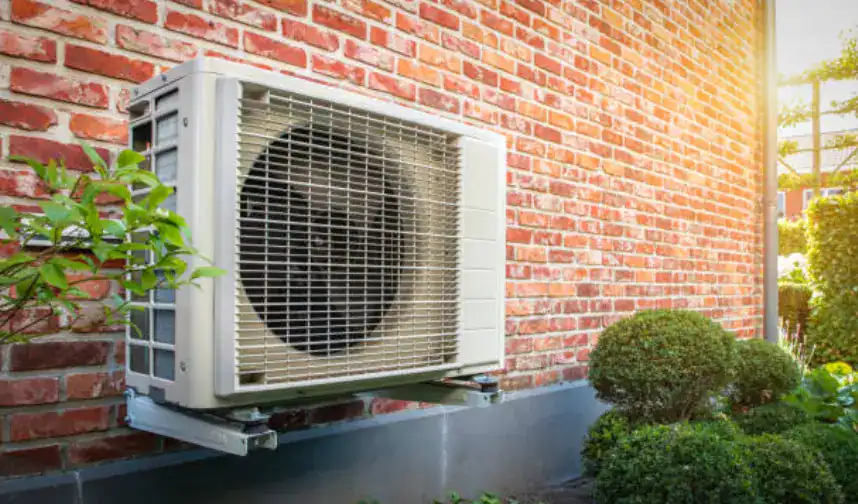
What Size Heat Pump Does a 3-Bedroom House Need in the UK?
For most typical 3-bedroom UK homes, you’ll need a heat pump for 3 bedroom house UK ranging from 5kW to 8kW. However, the exact size depends on several property-specific factors rather than just bedroom count.
A well-insulated modern 3-bed semi-detached house of around 100 square metres typically needs a 5-6kW system. Properties with average insulation may require 6-7kW, whilst older homes with poor insulation or solid walls might need 7.5-8kW to maintain comfortable temperatures.
Property type matters significantly:
- Mid-terrace houses benefit from shared party walls on both sides, reducing overall heat loss. These properties often need smaller systems—sometimes as little as 5kW—because heat only escapes through the front and rear walls, plus the roof and floor.
Living in a terraced home and wondering if a heat pump is right for you?
Read our full guide on Do Heat Pumps Work in a UK Terraced House? to see how they perform in real-world UK conditions.
- Semi-detached properties lose heat through three external walls (front, rear, and one side), typically requiring 6-7kW for adequate heating.
- Detached houses have four exposed external walls plus roof and floor, meaning they lose heat more quickly. A detached 3-bedroom house usually needs 7-8kW or occasionally more, depending on insulation quality.
The heat pump size for 3 bedroom house UK is determined through a professional heat loss calculation following MCS (Microgeneration Certification Scheme) standards. Your installer measures each room, considers insulation levels, window types, and local climate to calculate exactly how much heat your property loses. This precise approach ensures you get a system that’s neither undersized (struggling to heat your home) nor oversized (cycling on and off inefficiently).
Simple estimation method: As a rough guide, you can divide your annual gas usage (in kWh) by 2,900 to estimate the heat pump size you need. For example, if your gas boiler uses 15,000 kWh annually, you’d need approximately 5.2kW (15,000 ÷ 2,900). However, always confirm with a professional installer who can conduct detailed calculations.
Does Insulation Matter for a 3-Bedroom Heat Pump System?

Insulation quality is actually more important than heating system size when determining whether can a heat pump heat a 3-bedroom UK house effectively. Even the best heat pump struggles to maintain comfort in a poorly insulated property, whilst a modest system works brilliantly in a well-insulated home.
Why insulation makes such a difference:
Heat pumps work most efficiently when operating at lower flow temperatures (40-45°C for radiators, 30-35°C for underfloor heating). Good insulation means your home retains heat better, allowing the system to work at these optimal temperatures. Poor insulation forces higher flow temperatures, dramatically reducing efficiency and increasing running costs.
Key insulation areas to address:
- Loft insulation is typically the most cost-effective improvement. Current building regulations recommend 270mm of mineral wool insulation in roof spaces. For a 3-bedroom house, improving loft insulation costs £300-£500 but reduces heat loss significantly.
- Cavity walls are found in most UK homes built after the 1930s. If your cavity walls aren’t already insulated, retrofitting cavity wall insulation costs approximately £1,000-£1,500 for a 3-bed home and makes a substantial difference to heat pump performance.
- Solid walls in older properties lose considerably more heat than cavity walls. External or internal solid wall insulation is more expensive (£4,000-£10,000) but transforms heat retention in period properties.
- Double glazing prevents heat loss through windows. If you still have single glazing, upgrading windows typically costs £3,000-£6,000 for a 3-bed home but dramatically improves comfort and efficiency.
- Floor insulation addresses heat loss through ground floors, particularly relevant in properties with suspended timber floors or uninsulated concrete floors.
Your EPC rating provides a good indicator: Properties rated C or above typically have adequate insulation for heat pumps. Those rated D or below benefit significantly from insulation improvements before or alongside heat pump installation. The good news? The £7,500 Boiler Upgrade Scheme no longer requires minimum EPC ratings, making heat pumps accessible even to properties needing improvements.
Can a Heat Pump Keep a 3-Bed House Warm in UK Winters?

Absolutely. Modern air source heat pump 3 bed house installations work efficiently throughout British winters, maintaining comfortable temperatures even during cold snaps.
Heat pumps designed for UK conditions operate effectively down to -15°C or even -20°C—far colder than typical British winters experience. Most UK winter days sit between 0°C and 7°C, the temperature range where heat pumps achieve excellent efficiency.
Still wondering how heat pumps perform during the coldest months?
Read our in-depth guide on Do Heat Pumps Work in Winter? and see how they deliver reliable heating even in UK winter conditions.
Understanding real-world winter performance:
During mild winter weather (5-10°C), your system operates at peak efficiency with a Seasonal Coefficient of Performance (SCOP) of 3.5-4.5. This means it produces 3.5 to 4.5 units of heat for every unit of electricity consumed.
When temperatures drop to 0°C, efficiency decreases slightly to a COP of around 2.8-3.2, but the system continues heating your home reliably. Even at -5°C (rare in most UK regions), modern systems achieve COP 2.5-3, still far more efficient than any traditional heating method.
How continuous operation maintains comfort:
Unlike gas boilers that blast heat then shut off, heat pumps run continuously at lower power, maintaining steady warmth throughout your home. This approach proves more efficient and eliminates the temperature swings common with on-off heating systems. Your home feels consistently comfortable rather than cycling between warm and cool.
Want to make sure your heat pump is running at peak efficiency this winter?
Discover the best heat pump settings for UK winter conditions and maximise comfort while keeping running costs low.
Radiators and lower temperatures:
Heat pump radiators feel warm rather than hot because they operate at lower temperatures than gas boiler systems. This doesn’t mean they’re underperforming—it’s how they’re designed to work. The constant, gentle warmth proves more comfortable than intermittent blasts of high-temperature heat.
Radiators, Underfloor Heating & Flow Temperature
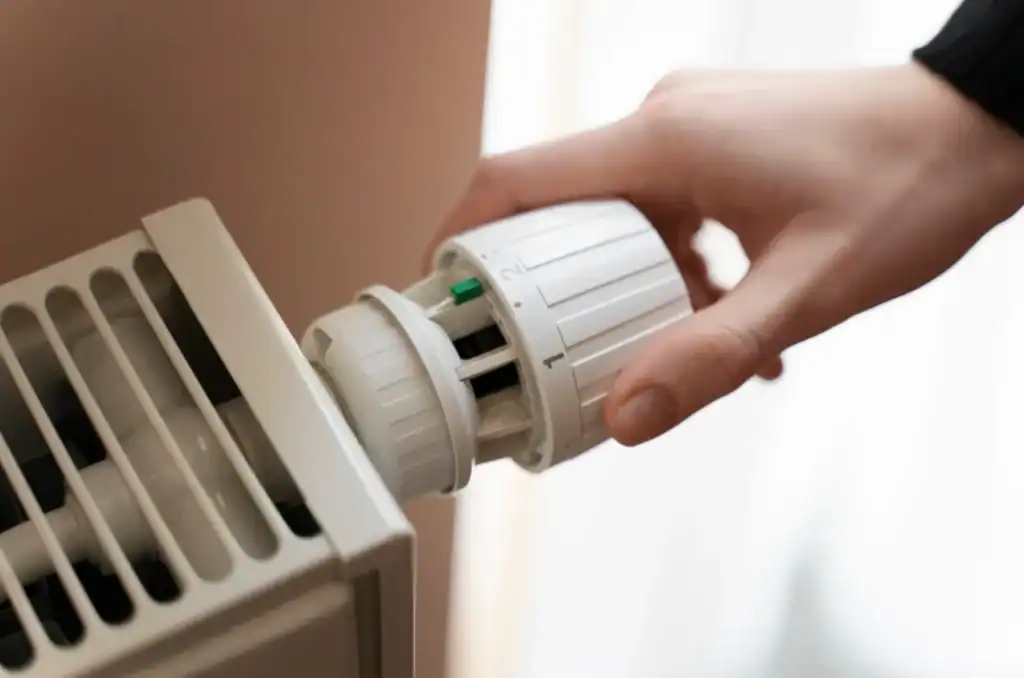
The type of heat distribution system in your 3-bed home significantly affects is a heat pump suitable for a 3 bed house considerations.
- Existing radiators: Many radiators in UK homes work adequately with heat pumps, particularly in properties built or renovated in recent decades. However, some older or undersized radiators may need upgrading to larger or more efficient models. Your installer conducts room-by-room heat loss calculations to determine whether existing radiators suffice.
- When radiator upgrades help: Properties with small single-panel radiators might benefit from upgrading to double or triple-panel convector radiators in main living areas. Even replacing just a few strategic radiators can allow your system to operate at lower, more efficient flow temperatures.
- Underfloor heating is ideal: If you’re renovating or extending, underfloor heating works beautifully with heat pumps. The large surface area means systems can operate at very low temperatures (30-35°C), achieving maximum efficiency. Underfloor heating isn’t mandatory, though—most 3-bed homes work perfectly well with appropriately sized radiators.
- Flow temperature matters: Heat pumps achieve best efficiency at flow temperatures of 35-45°C for radiators or 30-35°C for underfloor heating. Every 5°C increase in flow temperature typically reduces efficiency by 5-10%, directly affecting running costs. Proper system design ensures you can maintain comfort at these optimal temperatures.
Want to fine-tune your heat pump for maximum efficiency?
Read our 2025 UK guide on the ideal flow temperature for air source heat pumps and learn how to balance comfort, performance, and running costs.
Running Costs for a Heat Pump in a 3-Bedroom UK Home
Understanding running costs heat pump 3 bedroom house budgets helps set realistic expectations about ongoing expenses.
Based on 2025 UK energy prices, annual heating costs for an air source heat pump in a typical 3-bed home range from £855 to £1,200, depending on insulation quality, heating habits, and energy tariffs. Well-insulated properties with sensible usage patterns typically fall at the lower end of this range.
Comparing costs with gas boilers:
A modern gas boiler in the same property costs approximately £850-£900 annually to run. This means heat pumps currently cost slightly more—around £30-£100 extra per year—at standard electricity tariffs. However, this gap narrows significantly or even reverses with smart tariffs and good insulation.
Factors affecting your actual costs:
SCOP (Seasonal Coefficient of Performance) determines efficiency over an entire year. Systems achieving SCOP 3.5 or above deliver excellent value. Proper installation, appropriate flow temperatures, and good insulation all contribute to higher SCOP values.
Smart controls and tariffs make a substantial difference. Heat pump-specific electricity tariffs offer cheaper off-peak rates, potentially saving £200-300 annually compared to standard tariffs. Modern smart controls optimise when your system runs to take advantage of these lower rates.
Insulation quality directly impacts costs. A well-insulated home requires less heating energy regardless of system type, meaning lower bills. Poor insulation forces your heat pump to work harder and longer, increasing electricity consumption.
Real-world comparison example:
A typical 3-bed semi-detached house using 11,500 kWh of heat annually:
- Air source heat pump (SCOP 3.0): £992 per year
- Gas boiler (90% efficiency): £900 per year
- Old inefficient gas boiler (70% efficiency): £1,035 per year
The £90 annual difference between heat pumps and modern gas boilers often disappears with smart tariffs, solar panels, or better-than-average efficiency. For homes replacing old boilers, oil heating, or LPG, heat pumps deliver immediate savings.
Air Source vs Ground Source for 3-Bedroom Houses
For 3-bedroom properties, air source systems are almost always the practical choice.
Air source heat pumps:
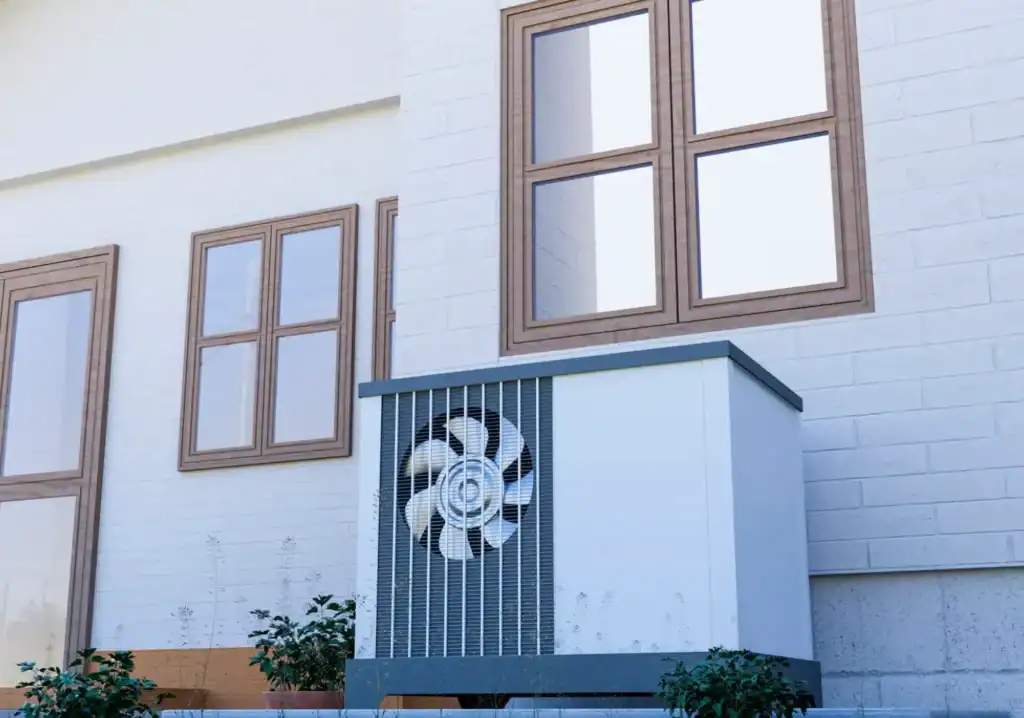
- Installation costs: £8,000-£13,500 (£500-£6,000 after £7,500 grant)
- Suitable for virtually all 3-bed homes
- Quick installation (1-3 days)
- Excellent performance in UK climate
- Minimal space requirements
Ground source heat pumps:
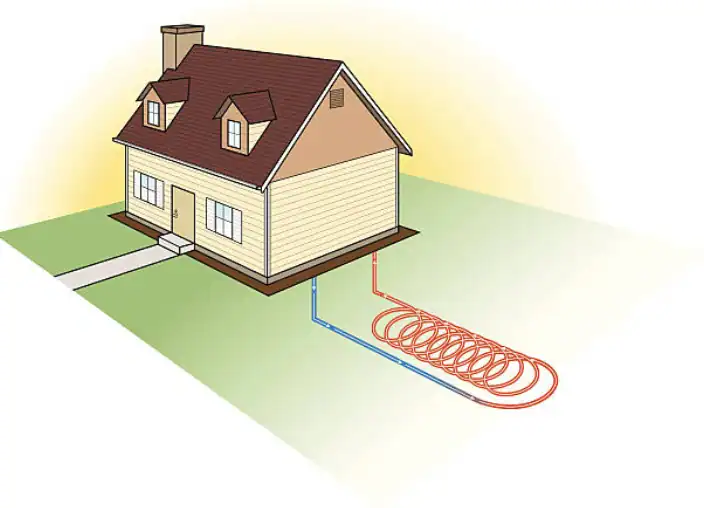
- Installation costs: £22,000-£26,000 (£14,500-£18,500 after grant)
- Requires substantial garden space for ground loops
- More disruptive installation process
- Slightly higher efficiency but much higher upfront costs
- Rare for standard 3-bed properties due to cost and space requirements
Unless you have specific reasons (very large rural property, extensive garden space, long-term investment horizon), air source systems deliver better value for typical 3-bedroom homes.
Grants & Installation Costs in the UK
The UK’s Boiler Upgrade Scheme substantially improves heat pump affordability for 3-bed homes.
Current grant support:
- £7,500 toward air source or ground source heat pump installation
- Applied directly to your installation quote—no upfront payment and reimbursement
- No minimum EPC rating required (changed in 2024)
- Available for homeowners, landlords, and second homes
Typical costs after grant:
| Property Type | System Size | Installation Cost | After Grant |
|---|---|---|---|
| Mid-terrace 3-bed | 5-6kW | £8,000-£10,000 | £500-£2,500 |
| Semi-detached 3-bed | 6-7kW | £10,000-£12,000 | £2,500-£4,500 |
| Detached 3-bed | 7-8kW | £12,000-£14,000 | £4,500-£6,500 |
Additional costs to consider:
Some properties need supplementary work to maximise heat pump performance:
- Hot water cylinder (if you don’t already have one): £800-£1,500
- Radiator upgrades (if needed): £100-£300 per radiator
- Electrical work (consumer unit upgrades): £500-£1,000
Your installer assesses what’s needed during their survey and provides a comprehensive quote covering all necessary work.
Wondering whether these costs and grants make heat pumps a worthwhile investment?
Read our in-depth guide on Are Heat Pumps Worth It in the UK? to see how installation costs, government support, and long-term savings stack up for UK homes.
Is a Heat Pump a Good Choice for a 3-Bedroom UK House?
Yes, for most homes. Can a heat pump heat a 3-bedroom UK house effectively? Absolutely, and thousands of British homeowners prove it daily.
Heat pumps are particularly suitable for:
- Well-insulated properties with EPC ratings C or above, where systems operate at peak efficiency with minimal running costs.
- Families seeking stable comfort who appreciate consistent warmth rather than temperature fluctuations from on-off heating systems.
- Forward-thinking homeowners wanting to future-proof their heating as the UK phases out fossil fuel systems and tightens building regulations.
- Properties replacing oil, LPG, or electric heating, where heat pumps deliver immediate and substantial cost savings.
- Homes undergoing renovations, where combining heat pump installation with insulation improvements and modern radiators creates an optimal system.
Considerations for less suitable properties:
Properties with very poor insulation (EPC rating E, F, or G) benefit more from addressing insulation first, though heat pumps can still work with appropriate sizing. Listed buildings or properties in conservation areas may need planning permission. Homes with extremely limited outdoor space might face installation challenges, though recent regulation changes have made this less restrictive.
The bigger picture:
Beyond individual property considerations, heat pumps contribute to the UK’s net-zero targets, reduce dependence on volatile fossil fuel markets, and align with future building regulations. With £7,500 government grants available and technology advancing rapidly, 3-bedroom homes represent ideal candidates for heat pump adoption. The combination of appropriate sizing, professional installation, and reasonable insulation delivers reliable, efficient heating that keeps you warm whilst supporting environmental goals.
Sources
- Eco Energy Services. (2025). “What Size Heat Pump Do I Need? UK Home Heat Pump Guide.” https://ecoenergyservices.co.uk/blog/what-size-heat-pump-do-i-need/
- Glow Green. (2025). “What Size Air Source Heat Pump Do I Need?” https://www.glowgreenltd.com/help-and-advice/air-source-heat-pump-size
- The Eco Experts. (2025). “What size air source heat pump do you need?” https://www.theecoexperts.co.uk/heat-pumps/air-source-heat-pump-sizing
- Tiny Eco. (2024). “What Size Air Source Heat Pump For a 3 Bed House?” https://tinyeco.com/air-source-heat-pump-size-3-bed-house
- AN Heating. (2025). “What Size Heat Pump Do You Need for a 3-Bedroom Home?” https://anheating.co.uk/what-size-heat-pump-do-you-need-for-a-3-bedroom-home/
- Heatable. (2025). “Air Source Heat Pump Sizes – How To Choose The Right Fit.” https://heatable.co.uk/heat-pumps/advice/air-source-heat-pump-sizes
- Greenmatch. (2024). “Air Source Heat Pump Sizing: Which Size is Best For My Home?” https://www.greenmatch.co.uk/air-source-heat-pump/sizing
- Heat Pumps UK. (2025). “What Size Heat Pump Is Right for Your Home?” https://heat-pumps.org.uk/what-size-air-source-heat-pump-do-i-need-for-my-home/
- Fairway Energy. (2025). “What Size Heat Pump Do I Need in the UK? | Sizing Guide.” https://fairway-energy.co.uk/what-size-heat-pump-do-i-need-in-the-uk-a-complete-sizing-guide-for-homeowners/
- VIVA Training. (2024). “Heat Pump Sizes: What Size is Right for My House?” https://vivatraining.co.uk/blog/training/heat-pump-sizes-what-size-is-right-for-my-house/
- Greenmatch. (2025). “Air Source Heat Pump Costs in the UK: 2025 Guide.” https://www.greenmatch.co.uk/heat-pumps/cost
- The Eco Experts. (2025). “Heat Pump Costs 2025: Factors, Calculator & Running Costs.” https://www.theecoexperts.co.uk/heat-pumps/cost-guide
- Grand Designs Magazine. (2025). “How much does a heat pump cost to run?” https://www.granddesignsmagazine.com/heating/how-much-does-a-heat-pump-cost-to-run/
- Thermrite Shop. (2025). “Heat Pump Costs and Grants in the UK (2025): What You’ll Really Pay.” https://thermriteshop.co.uk/blogs/news/heat-pump-costs-and-grants-in-the-uk-2025-what-you-ll-really-pay
- The Floor Heating Warehouse. (2025). “Heat Pump Costs and Grants in the UK (2025).” https://www.thefloorheatingwarehouse.co.uk/heat-pump-costs-and-grants-in-the-uk-2025-what-youll-actually-pay-after-support/
- EDF Energy. (2025). “Air Source Heat Pump Cost Guide.” https://www.edfenergy.com/heating/heat-pumps/air-source-heat-pump-costs
- Grant Boilers. (2025). “Are Heat Pumps Expensive to Run in the UK? Cost Guide 2025.” https://grantboilers.org.uk/blog/are-heat-pumps-expensive-to-run-uk/
- HomeOwners Alliance. (2025). “How Much Does A Heat Pump Cost 2025.” https://hoa.org.uk/advice/guides-for-homeowners/for-owners/how-much-does-a-heat-pump-cost/
- Heat Pumps UK. (2025). “Air Source Heat Pump Running Costs.” https://heat-pumps.org.uk/air-source-heat-pump-running-costs/2/