Considering a heat pump installation UK homeowners can rely on? This comprehensive guide covers everything you need to know about installing a heat pump, from costs and timelines to planning permission and what to expect during the process.
Installing a heat pump typically costs £8,000-14,000, takes 2-5 days for physical installation, and qualifies for the £7,500 Boiler Upgrade Scheme grant. With proper planning and an MCS-certified installer, you can reduce your heating bills while contributing to the UK’s net-zero goals.
Quick Summary
- Costs: £8,000-14,000 for air source (£20,000-30,000 for ground source)
- After BUS grant: £500-6,500 out of pocket
- Duration: 2-5 days for air source, 1-3 weeks for ground source
- Planning permission: Not required in most cases (2025 rules)
- Installer required: MCS-certified
- Annual running costs: £700-1,200
- Savings vs gas: £200-400/year (varies by insulation)
- Next step: Get 2-3 quotes from MCS installers
How to Install a Heat Pump
Installing a heat pump is a multi-stage process that involves more than simply replacing your boiler. The complete process takes 4-8 weeks from initial enquiry to handover, though the physical installation only takes 2-5 days.
Step 1 – Initial Survey & Assessment
An MCS-certified installer conducts a half-day on-site survey of your property. This includes room-by-room heat loss calculations, electrical capacity assessment, space requirements review, and evaluation of existing radiators and pipework. The survey report is typically provided within 1-2 weeks and is crucial for correct system sizing, which directly impacts efficiency.
Step 2 – Get Your Quote & Apply for Grants
As part of your heat pump installation UK journey, your installer prepares a comprehensive quote and handles the Boiler Upgrade Scheme application for you. The £7,500 grant is applied upfront to your invoice, meaning you only pay the net cost, with financing options discussed at this stage.
Step 3 – Prepare Your Home
Before installation begins, preparatory work may include radiator upgrades if your existing radiators are undersized, electrical upgrades to support the heat pump, insulation improvements for optimal efficiency, hot water cylinder replacement, and pipework modifications. This preparation typically takes 1-3 days and ensures your heat pump operates at peak efficiency.
Learn everything you need to know before installing a heat pump.
Step 4 – Installation Day 1-2
The installation begins with removal of your old boiler and heating system. New pipework is installed throughout the property, radiators are upgraded or repositioned as needed, the hot water cylinder is connected, and electrical work is completed. Most installers minimize disruption by working efficiently and protecting your property.
Step 5 – Heat Pump Installation (Days 2-3)
During your heat pump installation UK, the heat pump itself is typically installed over days 2–3. The outdoor unit is mounted on an external wall or concrete base, refrigerant lines are connected between the outdoor and indoor units, the indoor unit is fitted, system integration is completed, and thorough pressure testing and leak checks are carried out.
Step 6 – Commissioning & Testing (Day 4)
Day 4 focuses on commissioning and testing. The system is filled and pressurized, all connections are inspected, flow rates are balanced for optimal performance, control logic is set according to your home’s requirements, and comprehensive safety checks are completed. This critical stage ensures your system operates safely and efficiently.

Step 7 – User Training & Handover
Your installer provides 1-2 hours of training covering how to operate the system, adjust temperatures, and use controls effectively. You’ll receive all documentation including warranties, manuals, and maintenance schedules. Warranty registration is completed during handover.
Step 8 – Post-Installation Support
Reputable installers provide ongoing support including follow-up calls or visits during the first few months, a clear maintenance schedule, and warranty coverage. This ensures any teething issues are quickly resolved.
How Long Does Heat Pump Installation Take?
The answer depends on what you’re measuring and which type of heat pump you’re installing.
Air source heat pumps: Physical installation takes 2-5 days (average 5 days according to British Gas), but the complete project from enquiry to handover takes 4-8 weeks.
Ground source heat pumps: Physical installation takes 1-3 weeks due to groundworks (trenches or boreholes), with total project time of 6-12 weeks.
Discover more helpful insights about the different types of heat pumps here.
Heat Pump Installation Timeline
| Phase | Duration (Air Source) | Duration (Ground Source) | What’s Included |
|---|---|---|---|
| Initial enquiry | 1-2 days | 1-2 days | Phone consultation, feasibility check |
| Site survey | Half day on-site | 1 day on-site | Heat loss calculations, electrical assessment |
| Survey report | 1-2 weeks | 1-2 weeks | Detailed findings and recommendations |
| Preparatory work | 1-3 days | 1-2 weeks | Radiator upgrades, electrical work, groundworks |
| Physical installation | 2-5 days | 1-3 weeks | Removal, pipework, unit installation, commissioning |
| User training | 1-2 hours | 1-2 hours | System operation and control |
| Total project | 4-8 weeks | 6-12 weeks | From enquiry to handover |
Source: British Gas, GreenMatch, Heat IQ (2025)
Key Factors Affecting Duration
Several factors influence installation time including:
- property size (larger homes require more pipework),
- radiator upgrades (add 1-2 days),
- electrical upgrades (consumer unit replacement extends timeline),
- system complexity (hybrid systems take longer),
- installer availability (peak seasons mean longer waits),
- and weather conditions (outdoor work is weather-dependent).
Read the full guide to learn everything you need to know before installing a heat pump in 2026.
Heat Pump Installation Costs UK
The cost for an air source heat pump installation in the UK in 2026 generally falls between £8,000 and £14,000. However, government grants can significantly reduce your out-of-pocket expense.
Get the complete costs overview in our detailed article.
Cost Breakdown (2025)
| Equipment (heat pump unit) | £3,500-6,000 | Varies by brand and capacity |
| Labour & installation | £2,500-4,500 | Depends on property complexity |
| Radiator upgrades | £1,000-3,000 | If needed for efficiency |
| Electrical work | £500-2,000 | Consumer unit upgrades, new wiring |
| Hot water cylinder | £500-1,500 | If replacement needed |
| Pipework & misc. | £500-1,500 | Additional materials and fittings |
| TOTAL (before grants) | £8,000-14,000 | Average: ~£11,000 |
Sources: GreenMatch, Octopus Energy, The Eco Experts (2025)
Equipment costs vary by brand and capacity, with premium brands costing more. Labour depends on property complexity and location. Radiator upgrades are often necessary because heat pumps operate at lower temperatures than gas boilers. Always request 2-3 quotes to compare pricing.
Find more practical information about heat pump prices here.
Government Grants & Financial Support
Boiler Upgrade Scheme (BUS) – England & Wales
The BUS provides £7,500 grants for air source heat pump installations in the UK. With a 2025/2026 budget of £295 million and availability until 2028, this scheme significantly reduces costs. After the grant, your out-of-pocket expense is £500-6,500.
Eligibility requires being a property owner in England or Wales, replacing fossil fuel heating, using an MCS-certified installer, and having a valid EPC with no outstanding insulation recommendations.
Energy Company Obligation (ECO4)
ECO4 offers “free” heat pumps for low-income homes and may cover insulation upgrades. Eligible households can receive 100% cost coverage. Check eligibility with your local authority or energy supplier.
Local Authority Grants
Many councils offer supplementary grants for low-income families or vulnerable situations. Availability varies by location, so check with your local authority for additional support.
Annual Running Costs
Heat pumps typically use 3,000-4,000 kWh of electricity annually, resulting in running costs of £700-1,200 per year based on current energy prices.
| System Type | Annual Running Cost | Notes |
|---|---|---|
| Gas boiler | £1,200-1,500 | Based on typical gas prices |
| Heat pump | £700-1,200 | Based on SCOP 2.8-3.6 |
| Potential saving | £200-400/year | Varies by insulation and tariff |
Sources: Octopus Energy, Energy Saving Trust (2025)
Savings vary significantly based on home insulation quality, energy tariffs, and heating usage habits. Well-insulated homes see greater savings.
See our detailed costs explanation here.
What Happens During Heat Pump Installation?
Here’s a day-by-day breakdown of what to expect during the physical heat pump installation process.
Day 1 – Preparation & Removal
Morning: Engineers arrive and clear the installation area. Your old boiler and heating system are carefully removed. Pipework and radiators are assessed for compatibility.
Afternoon: New pipework routes are planned throughout your property. Electrical work begins, and the site is prepared for the outdoor unit.
Day 2 – Pipework & Radiators
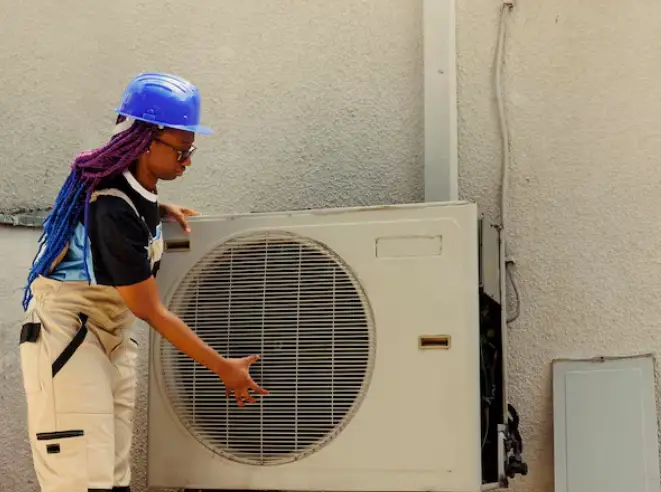
New pipework is installed throughout the property. Radiators are upgraded or repositioned if needed for optimal heat distribution. The hot water cylinder is connected to the system. Any necessary electrical upgrades are completed.
Read more expert recommendations about everything you need to know before installing a heat pump.
Day 3 – Heat Pump Installation
The outdoor unit is securely fixed to an external wall or concrete pad. Refrigerant lines are connected between outdoor and indoor units. The indoor unit is installed and integrated with your heating system. Comprehensive pressure testing and leak checks are performed.
Day 4 – Commissioning & Testing
The system is filled and pressurized to operating levels. All connections are thoroughly inspected for safety and efficiency. Flow rates are balanced for optimal performance. Control systems are programmed to your preferences. Safety checks are completed, and user training is provided.
Will You Be Without Heating?
Good news: For air source heat pumps, most installations are completed within 2-5 days, and you’ll typically be without heating for only a few hours to a day.
For ground source heat pumps, the installation takes longer (1-3 weeks), but installers typically maintain your old heating system until the final connection, minimizing disruption.
During winter months, plan ahead with backup electric heaters if needed. Experienced installers work efficiently to minimize disruption.
Do You Need Planning Permission?
The short answer: in most cases, no. New legislation from 29 May 2025 makes heat pump installation easier than ever.
The 2025 Rule Changes
New permitted development rules introduced on 29 May 2025 significantly relaxed previous restrictions. The 1-metre boundary setback requirement was removed, size limits were increased from 0.6m³ to 1.5m³, and air-to-air systems are now included in permitted development rights.
Read the full checklist before installing a heat pump to learn everything you need to know.
Permitted Development Rules (England)
You can install an air source heat pump within 1 metre of your property boundary and up to 1.5m³ in size without planning permission, subject to meeting certain criteria.
| Criterion | Rule |
|---|---|
| Property type | Houses, bungalows, flats |
| Number of units | 1 unit (2 for detached homes) |
| Unit size | Max 1.5m³ (0.6m³ for flats) |
| Boundary distance | Can be within 1m of boundary (since May 2025) |
| Noise limit | 37 dB(A) measured 1m from neighbour’s window |
| Wall placement | Ground floor only if facing highway |
| Roof installation | Not on pitched roofs; 1m from edge on flat roofs |
Source: Planning Portal, Gov.uk (2025 rules)
These rules exist to balance installation flexibility with neighbour considerations. Always check with your local planning authority if you’re unsure about your specific situation.
When You DO Need Planning Permission
Planning permission is required for listed buildings, properties in conservation areas, World Heritage Sites, installations exceeding permitted unit numbers or size limits, and properties in National Parks or Areas of Outstanding Natural Beauty. Contact your local authority to confirm requirements for these special cases.
Building Regulations
Planning permission is different from building regulations. Building regulations remain essential and cover electrical safety, ventilation, noise control, and energy efficiency. MCS-certified installers handle building regulations compliance as part of their service. Always use a qualified installer to ensure full compliance.
Frequently Asked Questions
Can I install a heat pump myself?
No. MCS certification is mandatory for government grants, and you need Gas Safe or electrical qualifications plus specialist knowledge of refrigerant handling. Building regulations compliance requires professional expertise. Always use a qualified, MCS-certified installer.
Learn everything you need to know about the heat pump installation process in UK.
Will I be without heating during installation?
You may be without heating for a few hours to a day during the 2-5 day installation period. Most installations are completed quickly with minimal disruption. Plan ahead during winter months with backup electric heaters if needed.
Keep reading to learn more about this.
Do I need new radiators?
Not always. It depends on your home’s insulation quality and your existing radiators. Heat pumps operate at lower temperatures than gas boilers, so older or smaller radiators may need upgrading. Your installer assesses this during the initial survey. Well-insulated homes often don’t need radiator upgrades.
Read more expert recommendations.
Can heat pumps be installed in flats?
Yes. Permitted development rights apply to flats with a maximum unit size of 0.6m³ for flats. Outdoor space requirements may differ from houses. Always check with your building management or freeholder before proceeding.
Get the complete overview in our detailed section.
How much will I save on energy bills?
Annual running costs are typically £700-1,200. Replacing a gas boiler can save £200-400 per year, though actual savings vary significantly. Factors affecting savings include home insulation quality, current energy tariffs, heating usage habits, and system efficiency (SCOP rating).
Find more practical information about heat pump installation costs in UK here.
What if my home isn’t suitable?
Most UK homes can accommodate heat pumps. Potential issues include poor insulation (may need upgrades first), limited outdoor space (less of an issue with 2025 rules), listed buildings (may need planning permission), and specific flat roof requirements. Discuss alternatives with your installer if concerns arise.
How long do heat pumps last?
Heat pumps last up to 20 years compared to 15 years for gas boilers. They require minimal maintenance with annual servicing recommended. The longer lifespan provides better long-term value.
Can I get a heat pump for free?
The ECO4 scheme offers “free” heat pumps for low-income homes and may cover insulation upgrades. Eligible households can receive 100% cost coverage. Check eligibility with your local authority or energy supplier.
See our detailed explanation on heat pump costs.
What’s the difference between air source and ground source?
| Feature | Air Source | Ground Source |
|---|---|---|
| Installation time | 2-5 days | 1-3 weeks |
| Space needed | Outdoor wall/pad | Large garden or boreholes |
| Cost | £8,000-14,000 | £20,000-30,000+ |
| Efficiency | 300-400% (SCOP 3.0-4.0) | 400-500% (SCOP 4.0-5.0) |
| BUS grant | £7,500 | £7,500 |
Air source is more common and affordable for most UK homes, making it the popular choice for residential installations.
Explore our complete article on the different types of heat pumps for more details.
Do I need an EPC (Energy Performance Certificate)?
Yes, for the Boiler Upgrade Scheme. Your home must have a valid EPC with no outstanding loft or cavity wall insulation recommendations. Your installer can help arrange an EPC if needed.
Learn everything you need to know before installing a heat pump.
Useful Sources
Official Government Resources:
- GOV.UK – Boiler Upgrade Scheme
- Planning Portal – Heat pump planning permission
Certification & Standards:
- MCS (Microgeneration Certification Scheme) – Find certified installers
- Energy Saving Trust – Independent energy advice
Cost Calculators & Information:
- Octopus Energy Heat Pump Guide
- GreenMatch Heat Pump Cost Calculator
Next Steps
You can read more about the heat pump prices in our detailed article juste here.
Sources and References
- Octopus Energy. (2025). “Heat Pump Cost and Installation Guide.” https://octopus.energy/blog/heat-pump-cost-explanation/
- GreenMatch. (2025). “Heat Pump Installation Costs UK.” https://www.greenmatch.co.uk/heat-pumps/cost
- UK Government. (2025). “Boiler Upgrade Scheme.” https://www.gov.uk/apply-boiler-upgrade-scheme
- Planning Portal. (2025). “Heat Pump Planning Permission Rules.” https://www.planningportal.co.uk/
- Energy Saving Trust. (2025). “Heat Pump Running Costs and Savings.” https://energysavingtrust.org.uk/
- The Eco Experts. (2025). “Heat Pump Installation Guide UK.” https://www.theecoexperts.co.uk/heat-pumps/installation
All costs, timelines, and regulations verified as of January 2026.