Heat pump noise regulations UK can seem confusing, especially if you’re planning an installation and wondering whether the sound might disturb neighbours or lead to complaints. In reality, modern heat pumps are very quiet, and UK rules are designed to prevent nuisance. This simple guide explains the key noise limits, decibel requirements, planning rules, and practical tips to stay compliant and keep good relationships with neighbours.
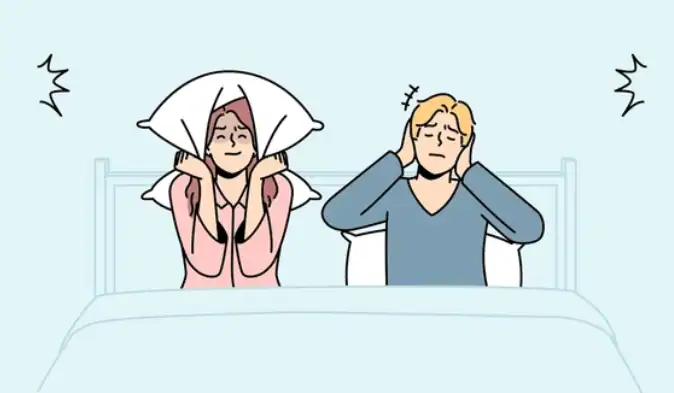
Are Heat Pumps Noisy? (Simple Explanation)
Let’s address the elephant in the room: yes, heat pumps make some noise, but the air source heat pump noise level UK standards are designed to keep it minimal. Most air source heat pumps operate at around 40 to 60 heat pump decibels UK when you’re standing close to the unit itself.
To put that in context, 40 decibels is about as loud as a quiet library or a whispered conversation. At 50 decibels, you’re at the level of normal conversation in your living room. Even at 60 decibels — which would be right next to the unit — you’re only reaching the volume of background music or a typical office environment. These aren’t the levels of a vacuum cleaner or a lawn mower.
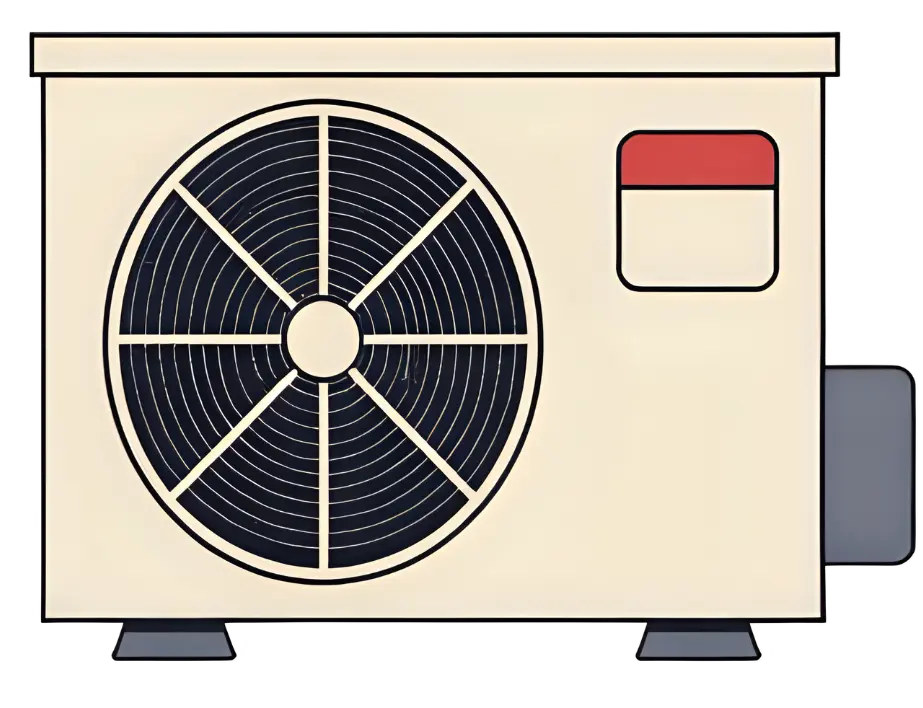
The noise comes primarily from two sources: the outdoor fan that draws air over the heat exchanger, and the compressor that circulates refrigerant through the system. Modern designs have made tremendous improvements in recent years, with many manufacturers offering quiet heat pump UK models with “quiet mode” settings that reduce noise even further during sensitive times like night-time.
Here’s the important part: noise isn’t measured at the heat pump itself. What matters is how loud it is at your neighbour’s property boundary or nearest window. Distance dramatically reduces sound levels, and UK permitted development noise rule heat pumps specifically addresses this to protect everyone’s peace and quiet.
UK Heat Pump Noise Regulations (The Basics)
Understanding the heat pump noise regulations UK might seem daunting, but they’re actually quite straightforward once you break them down.
Permitted Development Rules
In England, most air source heat pump installations qualify as “permitted development,” meaning you don’t need heat pump planning permission noise assessments provided you follow certain criteria. The most critical of these relates to the heat pump noise limit.
The key rule: Noise measured at your neighbour’s property boundary must not exceed 42 decibels.
This isn’t measured at the heat pump itself — it’s measured at the point where your property meets your neighbour’s, or more specifically, one metre from the nearest window or door of a habitable room in a neighbouring property. This measurement point ensures the UK permitted development noise rule heat pumps protects your neighbours’ comfort whilst giving you flexibility in where you place your unit.
As of May 2025, an important change came into effect: the previous requirement that heat pumps be installed at least one metre from any property boundary was removed. This makes installation much easier for homes with limited outdoor space, particularly terraced properties. However, the 42 decibel heat pump noise limit remains firmly in place.

MCS 020 Noise Assessment
Every professional heat pump installation must include a noise impact assessment following the MCS 020 standard. The MCS heat pump noise calculator is specifically designed to ensure heat pumps meet noise requirements before installation.
Before your installer can proceed, they must calculate the expected noise impact at neighbouring properties using the MCS heat pump noise calculator. This calculation takes several factors into account:
- The heat pump model’s sound power rating (from manufacturer specifications)
- Distance from the unit to the nearest neighbouring window or door
- Number of units being installed
- Direction and placement of the heat pump
- Any reflecting surfaces nearby (walls, fences) that might amplify sound
- Barriers or obstacles that might reduce sound transmission
Your installer will use a standardized calculation form that walks through each of these factors step by step, arriving at a predicted air source heat pump noise level UK at the assessment position. If this calculation shows the noise will be 42 decibels or below, your installation meets heat pump noise regulations UK requirements.
Important Restrictions
There are a few limitations worth knowing about when it comes to heat pump noise regulations UK:
Only one air source heat pump per property can be installed under standard permitted development rules. If you need multiple units, you’ll typically require heat pump planning permission noise assessment. The exception is detached homes, which as of 2025 can now install up to two units under permitted development, provided both meet the heat pump noise limit.
If your installation doesn’t comply with the 42 decibel heat pump noise limit, you’ll need to apply for planning permission. Your installer will help determine whether placement changes, noise barriers, or a quieter model might bring you into compliance with heat pump noise regulations UK.
What Does “42 dB Limit at the Boundary” Actually Mean?
Understanding how sound works helps make sense of the UK permitted development noise rule heat pumps. Sound reduces naturally as it travels through air — the further you get from the source, the quieter it becomes.
The 42 decibel heat pump noise limit doesn’t mean your heat pump can only emit 42 heat pump decibels UK of noise. Most units produce 55-60 decibels when you’re standing right next to them. But by the time that sound travels several metres to your neighbour’s boundary, it’s reduced significantly.
Here’s a real-world example: A heat pump emitting 60 decibels at one metre distance might produce only 48 decibels at three metres, and drop to around 42 decibels by the time it reaches five metres away. This natural sound decay is why placement matters so much when considering air source heat pump noise level UK requirements.
As a rough rule of thumb, sound level drops by approximately six decibels every time you double the distance from the source. So if your heat pump is 54 decibels at one metre, it’ll be about 48 decibels at two metres, 42 decibels at four metres, and so on. Your installer uses the MCS heat pump noise calculator for more precise calculations, but this gives you a sense of how distance protects your neighbours from noise.
| Distance from Unit | Estimated Sound Level |
|---|---|
| 1 metre | 55-60 dB |
| 3 metres | 45-48 dB |
| 5 metres | 40-44 dB |
| 7+ metres | Below 40 dB |
Night mode makes a difference: Many modern quiet heat pump UK models include intelligent controls that automatically reduce fan speed during night-time hours (typically 11pm to 7am), cutting noise levels by 3-5 decibels or more during the hours when quiet matters most.
Do You Need Planning Permission?
For most UK homeowners, the answer is no — provided your installation meets heat pump noise regulations UK criteria.
You DON’T need planning permission if:
- Noise at the nearest neighbour’s boundary stays below the 42 decibel heat pump noise limit
- You’re installing only one external unit (or two for detached homes)
- The unit isn’t mounted on a pitched roof
- The unit is placed at ground level or on a wall
- Your property isn’t a listed building or in a conservation area
You DO need heat pump planning permission noise assessment if:
- The MCS heat pump noise calculator shows the noise exceeds 42 decibels at any neighbouring property
- You need multiple units (beyond what’s allowed under permitted development)
- You live in a flat, maisonette, or apartment building
- Your property is listed or in a designated conservation area or World Heritage Site
- You want to place the unit in an unusual location that doesn’t meet UK permitted development noise rule heat pumps
- You’re installing it closer than typical to a neighbour’s bedroom window or living area
If you’re unsure whether heat pump planning permission noise requirements apply to your situation, your MCS-certified installer will assess this during their initial survey. They’ll also handle the paperwork if permission is required.
How to Make Sure Your Heat Pump Passes Noise Rules
Being proactive about meeting heat pump noise regulations UK ensures a smooth installation and happy neighbours. Here’s how to set yourself up for success.
Choose a Quiet Model
Not all heat pumps are equally quiet. When comparing models and looking at air source heat pump noise level UK specifications, look for:
- Sound power ratings: These are listed in heat pump decibels UK (dB(A)) in manufacturer specifications. Lower numbers mean quieter operation. Quality quiet heat pump UK units typically range from 52-58 dB(A) for sound power.
- Quiet or night mode features: Many modern systems include settings that automatically reduce noise during evening and night hours without significantly impacting performance, helping you stay well within the heat pump noise limit.
- Reputable manufacturers known for quiet operation: Brands like Mitsubishi, Daikin, Samsung, and Vaillant have established reputations for engineering quiet heat pump UK systems and continue innovating to reduce air source heat pump noise level UK figures.
Correct Placement is Critical
Strategic positioning can dramatically reduce noise impact and help you meet heat pump noise regulations UK:
- Distance is your friend: Place the unit as far from neighbouring boundaries as practical, especially from neighbouring bedrooms or living areas. This natural sound decay helps you stay within the heat pump noise limit.
- Avoid corners and enclosed spaces: Sound can bounce off walls and amplify in corners. An open location with clear air circulation is ideal both for noise and efficiency when planning your air source heat pump noise level UK compliance.
- Use solid mounting: Place your unit on a proper anti-vibration pad or base. This prevents vibrations from transferring through the ground or wall, which can amplify noise surprisingly far from the unit itself and potentially exceed the heat pump noise limit.
- Consider barriers: If your garden has existing walls or fences between your heat pump location and neighbouring properties, these provide natural sound attenuation. Just ensure you maintain adequate airflow to the unit.
Request an MCS Noise Report
This isn’t optional — the MCS heat pump noise calculator assessment is mandatory for any professional installation, and it protects you legally under heat pump noise regulations UK. Your MCS-certified installer must complete the MCS 020 noise assessment before installation begins.
This documented calculation serves several important purposes: it demonstrates compliance with UK permitted development noise rule heat pumps, provides evidence that you’ve acted responsibly if any neighbour noise complaint heat pump issues arise later, and helps you optimize placement before equipment is installed.
Don’t skip this step or accept vague assurances that “it’ll be fine.” A proper MCS heat pump noise calculator assessment takes only 15-20 minutes but provides invaluable peace of mind and legal protection against potential neighbour noise complaint heat pump situations.

Can Neighbours Make a Noise Complaint?
Yes, neighbours can make a neighbour noise complaint heat pump related issue about noise from any source. However, complaints are rare when systems are installed correctly and meet MCS 020 standards and heat pump noise regulations UK.
If a neighbour noise complaint heat pump issue is made, your local council’s environmental health officers will investigate. They’ll typically measure noise levels at the complainant’s property and compare them against the statutory heat pump noise limit.
Here’s the crucial point: if your installation was done properly, used the MCS heat pump noise calculator, and meets heat pump noise regulations UK requirements (staying below 42 decibels at the boundary), you’re almost certainly protected. The assessment provides documented evidence that your installation complies with the UK permitted development noise rule heat pumps.
Communication prevents conflicts: Many neighbour noise complaint heat pump situations stem from surprise rather than actual disturbance. Consider these goodwill gestures:
- Inform neighbours before installation begins, explaining what to expect regarding air source heat pump noise level UK
- Share information about the MCS heat pump noise calculator assessment and compliance with heat pump noise regulations UK
- Provide a contact number if they have concerns
- Explain that the system will be quieter than they might expect, with modern quiet heat pump UK technology
Most neighbours appreciate being kept in the loop, and this simple courtesy often prevents neighbour noise complaint heat pump issues from arising in the first place. If someone does express concern, listen respectfully, share your MCS noise assessment results showing compliance with the heat pump noise limit, and remind them that the system meets all heat pump noise regulations UK whilst being designed to minimise disruption.

Final Thoughts
Heat pump noise regulations UK are straightforward and designed to protect everyone’s quality of life. The 42 decibel heat pump noise limit ensures that properly installed systems won’t disturb neighbours, whilst modern quiet heat pump UK technology means most quality systems operate well within this threshold.
The keys to success are choosing a reputable quiet heat pump UK model with low air source heat pump noise level UK specifications, working with an MCS-certified installer who takes the MCS heat pump noise calculator assessment seriously, placing the unit thoughtfully to meet the UK permitted development noise rule heat pumps requirements, and communicating with neighbours before installation begins to prevent any neighbour noise complaint heat pump situations.
Remember that heat pumps are far quieter than many people expect. With proper installation and the right use of the MCS heat pump noise calculator, most operate at sound levels well within heat pump noise regulations UK — barely noticeable and certainly not disruptive. Combined with their outstanding efficiency and environmental benefits, meeting the heat pump noise limit shouldn’t be a barrier to making this worthwhile upgrade.
Ready to take the next step? Check our previous article to understand if heat pumps are worth it in the UK in 2025 and how much you could save on your energy bills.
Sources
- Eco Energy Services. (2025). “New UK Noise Rules for Air Source Heat Pumps 2025 Guide.” https://ecoenergyservices.co.uk/blog/uk-noise-rules-air-source-heat-pumps-guide/
- Heat Pumps UK. (2025). “How Far Should a Heat Pump Be from Your Neighbours?” https://heat-pumps.org.uk/air-source-heat-pump-distance-from-neighbours/
- Navien UK. (2025). “Heat Pump Installation Guide: New 2025 Regulations.” https://navien.co.uk/heat-pump-installation-guide-new-2025-regulations/
- Heatable. (2025). “Heat Pump Planning Permission: Do You Need It in 2025?” https://heatable.co.uk/heat-pumps/advice/heat-pump-planning-permission
- Cinergi. (2025). “Do I need planning permission to install a heat pump? | 2025 Rules.” https://cinergi.co.uk/heat-pump-planning-permission-rules/
- GOV.UK. (2024). “Air source heat pump noise emissions, planning guidance and regulations.” https://www.gov.uk/government/publications/air-source-heat-pump-noise-emissions-planning-guidance-and-regulations
- Your Energy. (2025). “Breathing Easier: Understanding the Updated Permitted Development Rules for Air Source Heat Pumps in the UK.” https://yourenergyuk.co.uk/permitted-development-heat-pump/
- Logic4training. (2025). “Air Source Heat Pumps: New Permitted Development Rules.” https://www.logic4training.co.uk/insights/air-source-heat-pumps-new-permitted-development-rules/
- MCS. (2025). “MCS 020 – Air Source Heat Pump Sound Calculation.” https://mcscertified.com/wp-content/uploads/2025/07/MCS-020-a-Issue-1.0-Final.pdf
- NOVA Acoustics. (2025). “MCS Noise Assessment & Calculations.” https://www.novaacoustics.co.uk/noise-surveys/mcs-noise-assessment/
- Checkmark. (2025). “Noise and neighbours.” https://check-mark.co.uk/info/plan/planning-permission/noise-neighbours/
Commentaires
One response to “Heat Pump Noise Regulations in the UK (A Simple 2025 Guide for Homeowners)”
[…] a detailed look at the latest rules and limits, read our full guide on heat pump noise regulations in 2025 to ensure your installation stays compliant and […]