The ideal flow temperature air source heat pump setting is one of the most important factors determining your system’s efficiency and running costs. Many UK homeowners worry about getting this right, particularly in our variable climate and in older properties that may need careful optimisation. Whilst gas boilers typically run at 70-80°C, heat pumps work most efficiently at significantly lower temperatures. Understanding and correctly adjusting your flow temperature can dramatically improve both comfort and efficiency, potentially saving hundreds of pounds annually whilst ensuring your home stays warm throughout even the coldest British winters.
What Is Flow Temperature?
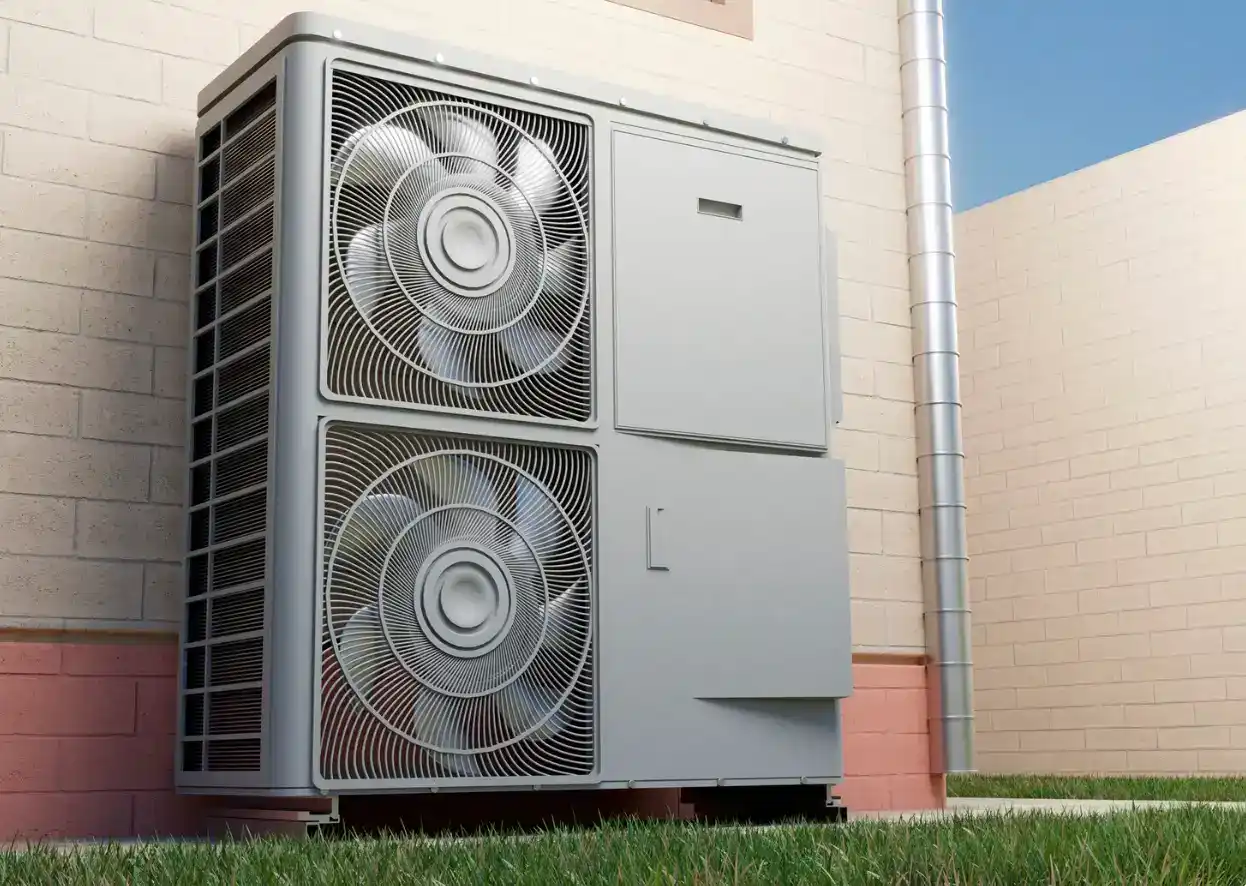
Flow temperature refers to the temperature of the water leaving your heat pump and circulating through your radiators or underfloor heating system. Think of it as the intensity at which your heating operates—the temperature of the water carrying heat around your home.
This setting fundamentally affects your heat pump’s performance. Higher flow temperatures mean your heat pump works harder to raise water to that temperature, consuming more electricity and reducing efficiency. Conversely, lower flow temperatures allow the system to operate more efficiently, achieving better Seasonal Coefficient of Performance (SCOP) values and lower running costs.
The relationship is straightforward: every 5°C increase in flow temperature typically reduces efficiency by approximately 5-10%. A heat pump running at 35°C might achieve a SCOP of 4 (producing four units of heat for every unit of electricity), whilst the same system running at 55°C might only reach a SCOP of 2.5-3. This efficiency difference translates directly to your energy bills.
In the UK context, most homes use radiators for heating, though underfloor heating has become increasingly common in newer properties and renovations. Understanding how your particular heat distribution system works with different flow temperatures helps you optimise performance for your specific situation.
Want to understand more about how your heat pump works? Check out our comprehensive guide on how heat pumps work to see the full picture.
Ideal Flow Temperature for UK Homes
Finding the best flow temperature for heat pump operation in your home depends on several factors, but general guidelines provide an excellent starting point for most UK properties.
Radiators (Most UK Homes)
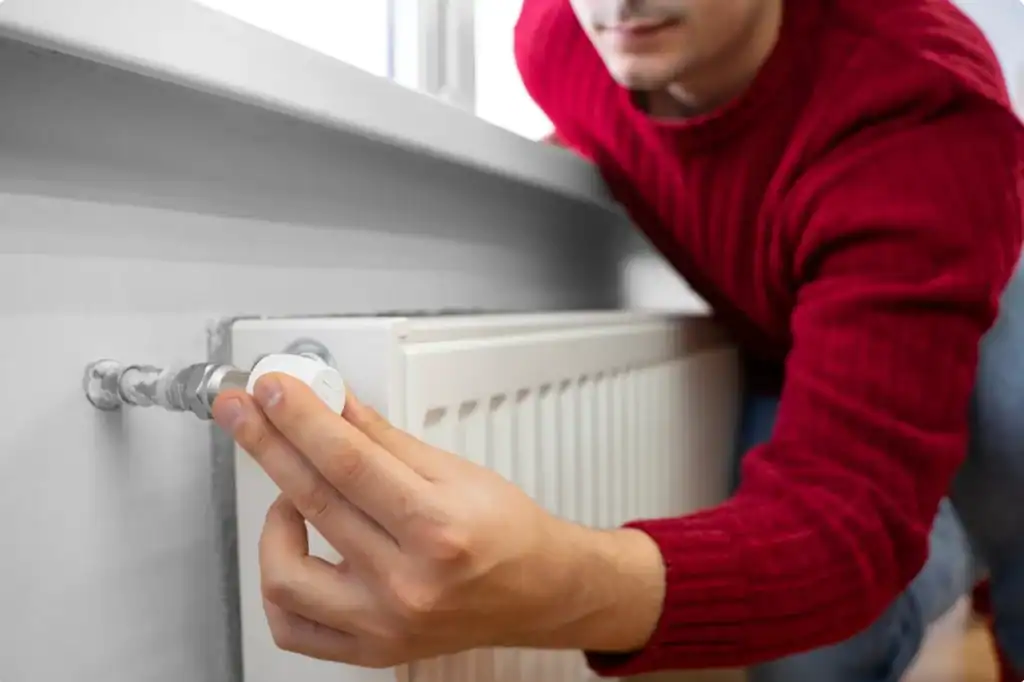
For properties with standard radiators, the heat pump flow temperature UK sweet spot typically falls between 35°C and 45°C. This range allows modern, properly sized radiators to deliver comfortable warmth whilst maintaining excellent efficiency. Most quality installations target around 40°C as the baseline, adjusting up or down based on specific property requirements.
This might feel counterintuitive if you’re used to gas boilers, where radiators get hot enough to be uncomfortable to touch. Heat pump radiators operate at lower temperatures but compensate by running for longer periods, maintaining steady, consistent warmth throughout your home rather than delivering short bursts of intense heat.
Older Properties or Undersized Radiators
Some homes—particularly those with older, smaller radiators or properties that haven’t been upgraded since their original installation—may require flow temperatures of 50-55°C to maintain comfortable indoor temperatures. This higher setting still works, though efficiency decreases noticeably compared to lower temperatures.
If you consistently need flow temperatures above 50°C, it’s worth considering whether upgrading key radiators in main living spaces would be worthwhile. Even replacing just a few strategically chosen radiators with larger or triple-panel models can allow you to reduce flow temperature significantly, improving efficiency throughout the heating season.
Underfloor Heating
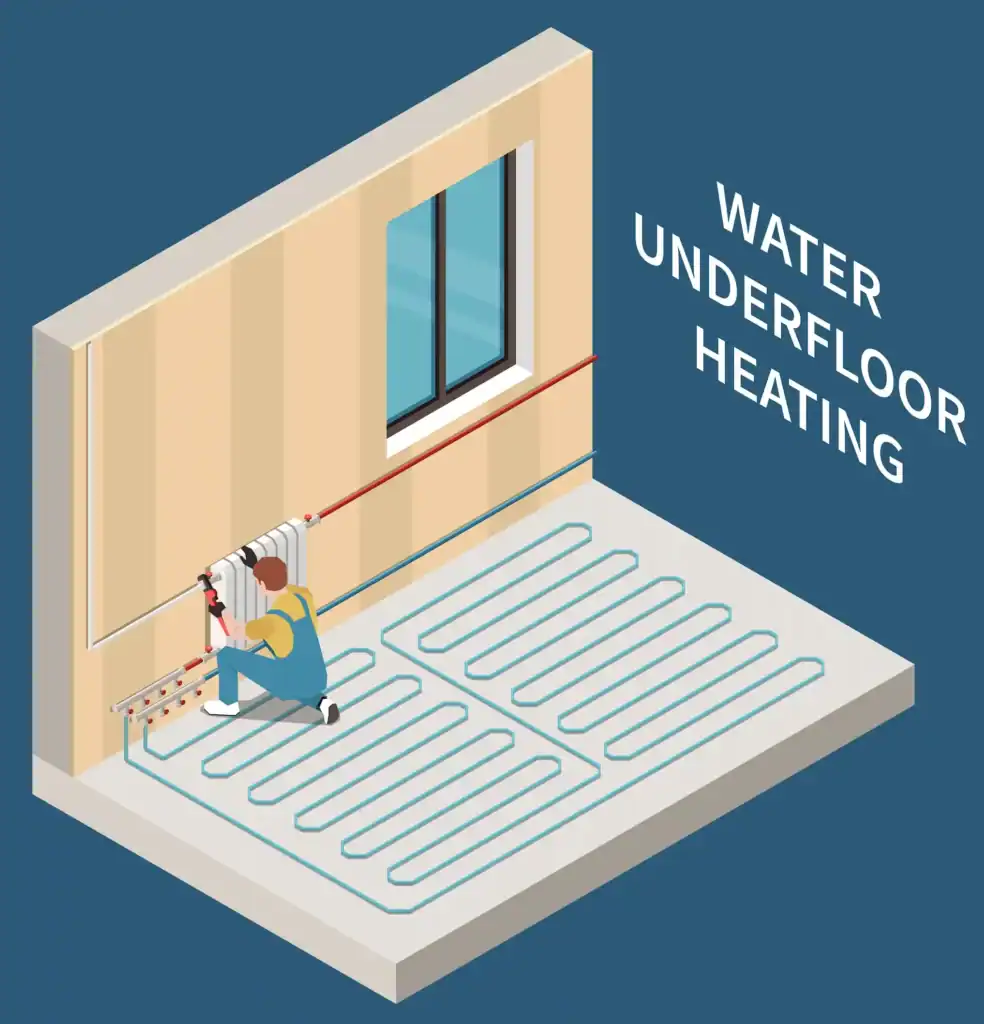
Properties with underfloor heating enjoy a significant advantage, as these systems work beautifully at very low temperatures. The ideal range for underfloor heating is 30-35°C, though some older installations may need up to 40°C.
Underfloor heating’s large surface area means it can deliver ample warmth at these low temperatures, allowing your heat pump to achieve its highest efficiency levels—often SCOP values of 4 or above. This is why many heat pump installers recommend underfloor heating for new builds or major renovations.
UK Climate Considerations
The UK’s relatively mild winters suit heat pumps perfectly. Our average winter temperatures rarely drop below -5°C except during occasional cold snaps, meaning heat pumps can maintain comfortable flow temperatures without excessive strain.
During particularly cold periods, your heat pump may automatically increase flow temperature slightly to maintain indoor comfort—this is normal and expected. Modern systems with weather compensation adjust flow temperature automatically based on outdoor conditions, reducing it on mild days and increasing it when necessary during cold weather.
What Affects the Ideal Flow Temperature?
Several interconnected factors determine the optimal UK heat pump settings for your specific property.
Insulation Quality

Better insulation means your home retains heat more effectively, reducing the heating demand on your system. Well-insulated properties can often operate at lower flow temperatures whilst maintaining the same level of comfort, as heat loss through walls, roofs, and windows is minimised.
Homes with solid wall insulation, cavity wall insulation, adequate loft insulation (270mm recommended), and draught-proofing around windows and doors typically need 3-5°C lower flow temperatures than similar properties without these improvements.
Radiator Size and Type
Larger radiators with more surface area can deliver more heat at lower temperatures. Double or triple-panel convector radiators work particularly well with heat pump flow temperature UK requirements, as their design maximises heat output even when water temperatures are modest.
If your radiators were originally sized for a gas boiler running at 70-80°C, they might struggle at 35-45°C unless they’re significantly oversized. Professional heat loss calculations help determine whether your existing radiators are adequate or need upgrading.
Outdoor Temperature
Colder outdoor air means your heat pump must work harder to extract heat and deliver it to your home. Most modern systems automatically adjust the radiator flow temperature based on outside conditions—this weather compensation feature is one of the most valuable efficiency tools available.
On a mild 10°C day, your system might run at 35°C flow temperature. When outdoor temperatures drop to -3°C, it might increase to 48-50°C to maintain the same indoor comfort level.
Heat Pump Model and Controls
Different heat pump models have varying capabilities. Some high-temperature units can achieve flow temperatures up to 65-70°C, though this significantly reduces efficiency. Standard models typically perform best between 35-55°C.
Modern control systems with sophisticated weather compensation, modulating compressors, and smart learning features can optimise flow temperature minute-by-minute, ensuring you always operate at the most efficient setting for current conditions.
Thermostat Settings
Your desired indoor temperature directly affects required flow temperature. If you set your thermostat to 22°C, your system needs higher flow temperatures than if you’re comfortable at 19-20°C.
Many homeowners find they can reduce thermostat settings by 1-2°C after switching from gas boilers to heat pumps, as the constant, even heating feels more comfortable than the on-off cycles of traditional systems.
Visual Guide: Flow Temperature Impact on Efficiency
| Flow Temperature | Efficiency vs. 35°C | Best For |
|---|---|---|
| 30-35°C | Baseline (100%) | Well-insulated homes, UFH systems |
| 35-40°C | 95-100% | New builds, recently upgraded radiators |
| 40-45°C | 85-95% | Most UK homes with adequate radiators |
| 45-50°C | 75-85% | Homes needing gradual upgrades |
| 50-55°C | 65-75% | Temporary setting before radiator upgrades |
| 55°C+ | 50-65% | Avoid if possible; poor efficiency |
How to Set the Ideal Flow Temperature (Step-by-Step)
Finding your optimal low flow temperature heat pump setting requires a methodical approach rather than guesswork.
- Step 1: Start at 40°C
Most UK homes with reasonable insulation and standard radiators perform well at this baseline temperature. Set your heat pump to maintain a flow temperature of 40°C and let it run for at least 48 hours to allow the system to stabilise.
- Step 2: Monitor Comfort for 2-3 Days
Pay attention to how your home feels throughout this period. Are all rooms reaching their target temperatures? Do radiators feel warm (not hot) to the touch? Does your home maintain comfortable temperatures consistently?

- Step 3: Adjust if Necessary
If rooms feel too cold or struggle to reach set temperatures, increase flow temperature by 2-3°C increments. If your home feels uncomfortably warm or radiators are hotter than necessary, reduce by 2-3°C.
- Step 4: Fine-Tune and Stabilise
Once you’ve found a temperature that maintains comfort, leave it there for at least a week to ensure it works across different weather conditions. Avoid the temptation to frequently adjust settings—heat pumps work best with steady, consistent operation.
- Step 5: Keep Thermostat Steady
Set your room thermostat to your desired temperature (typically 19-21°C for most UK homes) and leave it there. Constant thermostat adjustments force your heat pump to work inefficiently, reducing overall performance.
- Step 6: Resist Going Above 50°C
If you find you consistently need flow temperatures above 50°C to stay warm, this indicates that radiators are undersized, insulation needs improvement, or both. Whilst the system will work at these higher temperatures, efficiency suffers significantly. Consider whether radiator upgrades or insulation improvements would be worthwhile investments.
Important: Always check your heat pump manufacturer’s guidelines, as specific models may have recommendations or limitations on flow temperature settings.
Common Mistakes to Avoid
Many homeowners inadvertently reduce efficiency through simple, avoidable errors.
- Setting Flow Temperature Too High “Just to Be Safe”
The most common mistake is setting flow temperature higher than necessary “just in case.” Every unnecessary degree costs you money and reduces efficiency. Start lower and only increase if comfort demands it.
- Frequently Adjusting Settings
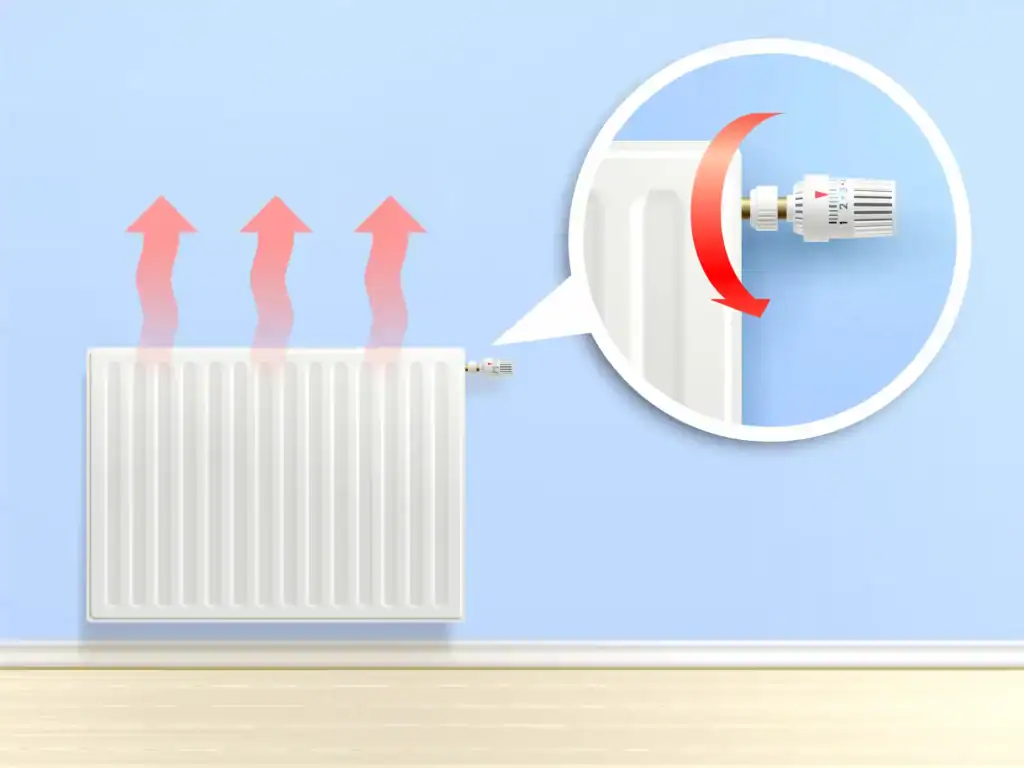
Heat pumps achieve optimal performance through steady operation. Constantly tweaking thermostat and flow temperature settings prevents the system from stabilising and reduces overall efficiency. Set it appropriately and leave it alone.
- Using Undersized or Old Radiators Without Upgrading
Trying to heat your home adequately with radiators that are too small for heat pump operation forces you to use inefficiently high flow temperatures. Sometimes investing in larger radiators saves more money than persisting with inadequate ones.
- Expecting Radiators to Feel Hot
Heat pump radiators feel warm, not hot. If you’re accustomed to gas boilers, this takes adjustment. The key is consistent warmth throughout the day rather than intense heat for short periods.
- Closing Doors or Turning Off Radiators in Unused Rooms
Whilst this seems logical, it can actually make your heat pump work harder and less efficiently. Heat pumps perform best maintaining consistent temperatures throughout your home rather than creating hot and cold zones.
Benefits of the Right Flow Temperature
Optimising your heat pump efficiency UK settings delivers multiple advantages beyond just lower bills.
- Reduced Energy Costs
Operating at the lowest comfortable flow temperature can reduce heating costs by 15-30% compared to unnecessarily high settings. Over a typical UK heating season, this translates to savings of £200-400 annually for many households.
- Higher SCOP and Better Long-Term Performance
Systems running at optimal temperatures achieve higher Seasonal Coefficient of Performance values, meaning they produce more heat per unit of electricity throughout their lifespan.
- Quieter Operation
Heat pumps working at lower flow temperatures typically run more quietly, as the compressor doesn’t need to work as hard. This is particularly noticeable during night-time operation.
- Less Component Wear
Systems operating within their optimal range experience less mechanical stress, potentially extending lifespan and reducing maintenance requirements.
- More Stable Indoor Temperatures
Lower flow temperatures with longer run times deliver more consistent comfort, eliminating the temperature swings common with high-temperature on-off systems.
FAQ

Is 35°C too low for UK radiators?
Not necessarily. Modern radiators that are properly sized for heat pump operation can deliver adequate heat at 35°C, particularly in well-insulated homes. However, many UK properties find 40-45°C more practical for maintaining comfortable temperatures throughout all rooms.
What is the maximum temperature for an air source heat pump?
Standard air source heat pumps typically achieve maximum flow temperatures of 55-60°C, whilst high-temperature models can reach 65-70°C. However, efficiency drops significantly at these higher temperatures, so they should only be used when absolutely necessary.
Can I run my heat pump at 55°C?
Yes, but efficiency will be notably lower than at 40-45°C. If you consistently need 55°C to maintain comfort, consider whether radiator upgrades or insulation improvements might allow you to reduce this to more efficient temperatures.
Does a lower flow temperature heat my home slower?
Not exactly. Heat pumps maintain steady temperatures rather than rapidly heating cold spaces. With lower flow temperatures, the system runs for longer periods but maintains more consistent comfort. This approach is actually more efficient and comfortable than short bursts of high-temperature heating.
Conclusion
The ideal flow temperature for air source heat pumps in UK homes typically falls between 35-45°C, with 40°C serving as an excellent starting point for most properties with standard radiators. Success depends on matching your flow temperature to your home’s specific characteristics—insulation quality, radiator size, and heating requirements all play crucial roles.
The key principle is simple: aim for the lowest flow temperature that maintains comfortable warmth throughout your home. Start conservatively, test incrementally, and resist the urge to set temperatures higher than necessary. With the right settings, your heat pump will deliver reliable comfort whilst operating at peak efficiency, keeping your home warm and your energy bills manageable throughout the UK heating season.
Want to optimise your heat pump further? Explore our comprehensive guide on heat pump settings and seasonal adjustments during winter to discover more ways to maximise performance year-round.
Sources
- Grant UK. (2025). “The Best Radiators for Air Source Heat Pumps: A Heating Engineer’s Guide.” https://www.grantuk.com/knowledge-hub/tips-advice/air-source-heat-pump-radiators/
- Renewable Energy Hub. (2025). “Guide to High Temperature Heat Pumps UK 2025.” https://www.renewableenergyhub.co.uk/main/heat-pumps-information/guide-to-high-temperature-heat-pumps-uk-2025
- Greentech Renewables. (2025). “How Hot Do Radiators Get With an Air Source Heat Pump?” https://www.greentechrenewables.co.uk/ashp/how-hot-do-radiators-get-with-an-air-source-heat-pump/
- The Heat Pumps. (2025). “Air Source Heat Pump Reviews (UK Guide 2025): Costs, Performance, Pros & Cons.” https://theheatpumps.co.uk/blog/post/air-source-heat-pump-reviews.html
- Glow Green Ltd. (2025). “Best Air Source Heat Pump Models & Brands in the UK (2025).” https://www.glowgreenltd.com/help-and-advice/best-air-source-heat-pumps
- Heatable. (2025). “Heat Pump Radiators UK: Everything You Need to Know in 2025.” https://heatable.co.uk/heat-pumps/advice/heat-pump-radiators
- Zing Energy. (2025). “Air Source Heat Pumps UK: A Realistic 2025 Guide.” https://wearezing.com/blog/air-source-heat-pumps-uk/
- The Quantum Group. (2025). “Retrofitting an Air Source Heat Pump for UK Homes.” https://thequantumgroup.uk.com/retrofitting-air-source-heat-pump/
- Viessmann UK. (2025). “Do I need special radiators with a heat pump?” https://www.viessmann.co.uk/en/heating-advice/heat-pumps/do-i-need-special-radiators-with-a-heat-pump.html
- Dwellow. (2024). “Air Source Heat Pumps & Radiators (FAQ).” https://www.dwellow.co.uk/blog/air-source-heat-pumps-radiators
Commentaires
One response to “What Is the Ideal Flow Temperature for an Air Source Heat Pump? (UK Guide 2025)”
[…] Several elements influence your actual annual costs. Home size determines total heating demand. Insulation quality affects how much heat escapes, requiring more or less energy to maintain comfort. Your desired indoor temperature matters—every degree higher increases costs by roughly 5-10%. Looking for a complete UK guide on this topic?Read our detailed article to understand what is the ideal flow temperature for an air source heat pump in the UK. […]