One of the biggest questions UK homeowners ask is simple: “What’s the price for a heat pump?” The answer isn’t straightforward because the price for a heat pump varies considerably depending on your home, the type of system, and where you live. But with the right information, you can get a realistic estimate before you call an installer.
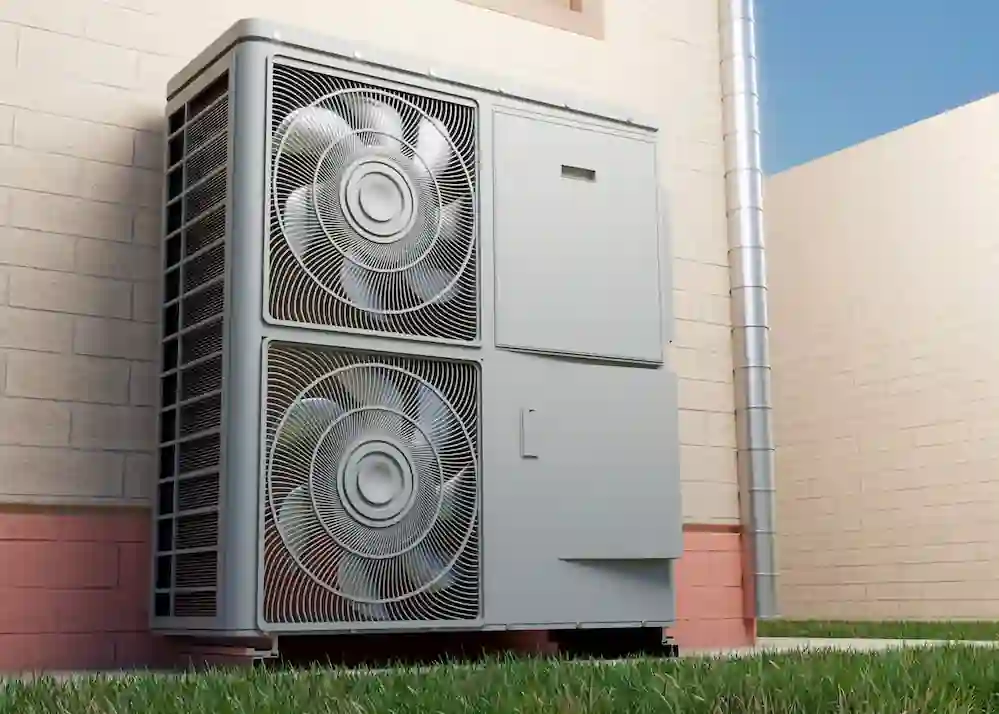
In this guide, we’ll cover average heat pump prices in the UK for 2026, compare air source versus ground source costs, explain what affects the price for a heat pump in your specific situation, detail government grants that reduce costs, show you how to get the best price, and provide real examples with cost breakdowns.
Let’s break down the costs so you can make an informed decision.
What’s the price for a Heat Pump?
Understanding typical costs helps you budget appropriately and recognize whether the quotes you receive are reasonable. The UK heat pump market has matured considerably, and whilst the price for a heat pump can vary, certain patterns have emerged that give us reliable benchmarks for what you should expect to pay.
Prices for Air Source Heat Pumps
Air source systems dominate the UK market because they offer excellent performance without the extensive groundwork required by other types. For a typical 3-4 bedroom house, you’re looking at a total installation cost between £8,000 and £13,500.
Breaking this down helps you understand where your money goes:
| Cost Element | Typical Range |
|---|---|
| Equipment (heat pump unit) | £4,000-£6,000 |
| Installation labour | £2,000-£3,000 |
| Pipework and connections | £1,000-£2,000 |
| Electrical work | £500-£1,000 |
| Total Installation | £8,000-£13,500 |
Smaller homes with straightforward installations might pay toward the lower end—perhaps £7,500-£9,000. Larger properties with challenging access or significant ancillary work can reach £13,000-£14,000. The sweet spot for most homeowners sits around £10,000-£12,000.
Prices for Ground Source Heat Pumps
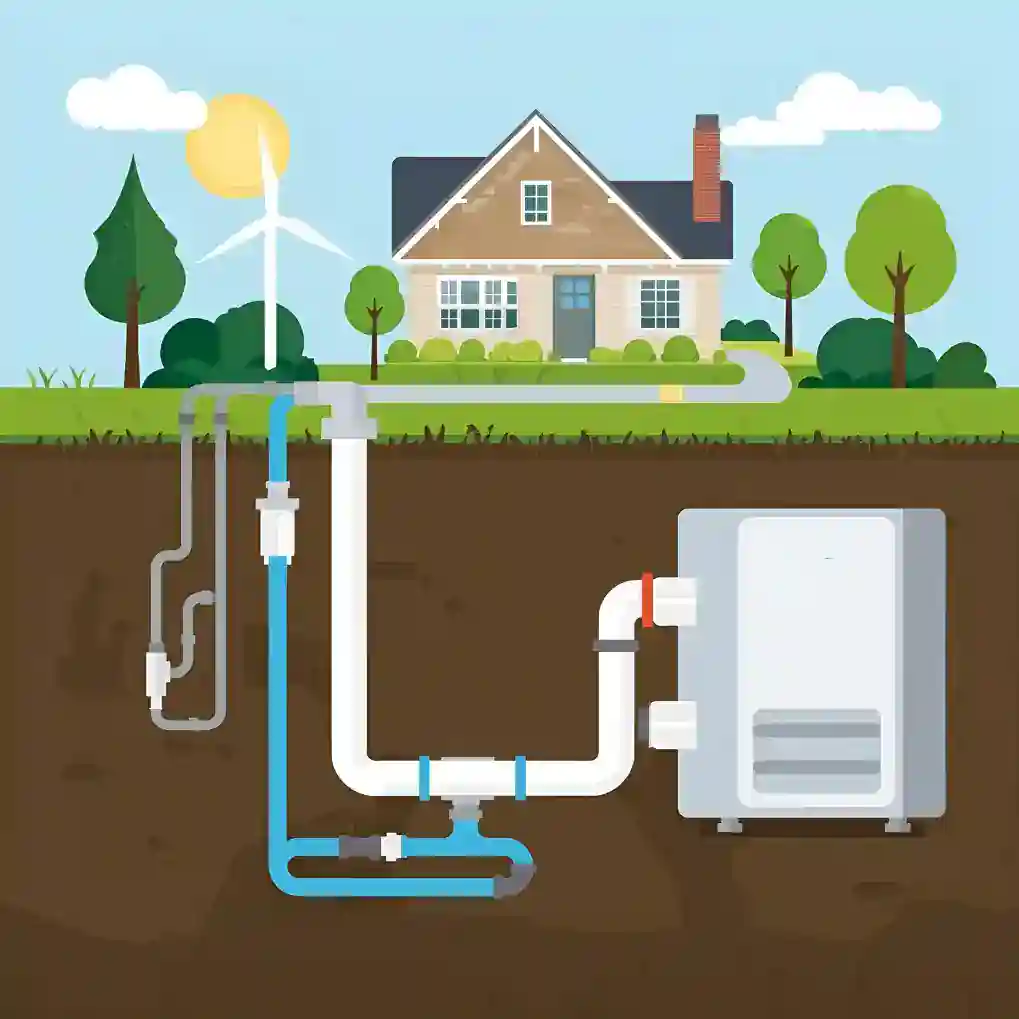
Ground source systems extract heat from the earth using buried pipes, which makes them significantly more expensive. Total costs typically range from £16,200 to £49,000, with most 3-4 bedroom homes paying £18,000-£24,000.
The breakdown looks quite different here:
| Cost Element | Typical Range |
|---|---|
| Equipment (heat pump unit) | £6,000-£8,000 |
| Borehole drilling or trenches | £5,000-£12,000 |
| Installation labour | £2,000-£3,000 |
| Electrical work | £1,000-£2,000 |
| Total Installation | £16,200-£49,000 |
Properties with ample garden space choosing horizontal trenches pay less—perhaps £16,000-£20,000. Those requiring vertical boreholes face costs of £25,000-£30,000 or higher because drilling equipment is expensive to hire.
Want to compare options and make an informed choice?
Our guide explains everything you need to know about different types of heat pumps.
Why the Big Price Range?
Several factors create this wide variation in the price for a heat pump. Home size matters enormously—a compact flat needs a 5kW system whilst a large detached house might need 10kW or more. Your existing heating system influences complexity too. Converting from a gas boiler with existing radiators proves simpler than starting from scratch, which naturally affects the final price for a heat pump installation.
Insulation quality affects the required system size directly. Well-insulated homes need smaller, cheaper systems because they retain heat better. Poor insulation forces you into larger, more expensive units to compensate for heat loss.
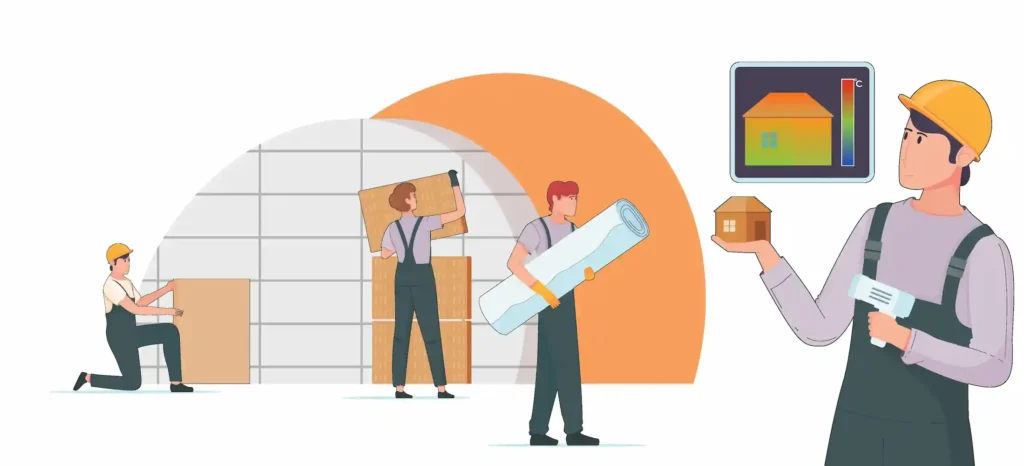
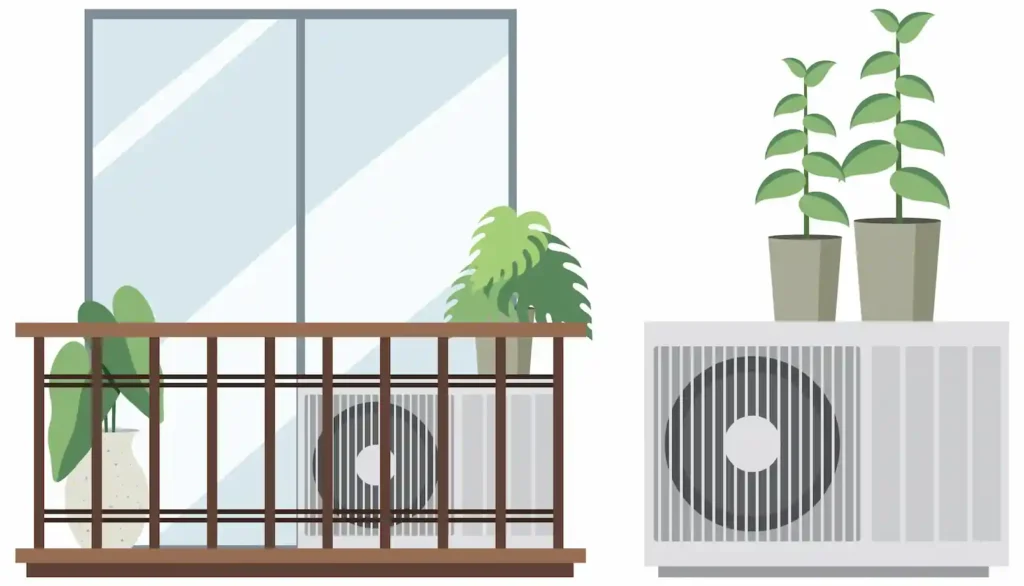
Access to your outdoor unit location creates surprising cost differences. Easy rear garden access costs less than navigating narrow passages or mounting units high on walls. Every additional metre of pipe run between units typically adds £100-£200.
Installation complexity varies wildly between properties. Modern homes with good access are straightforward. Period properties, listed buildings, or homes needing significant modifications push costs upward. Regional variations matter too—London and the Southeast charge 10-15% more than national averages.
Air Source vs Ground Source Price Comparison
Choosing between these systems means weighing substantial cost differences against performance characteristics. Understanding what you actually get for the extra money helps you decide wisely.
Side-by-Side Price Comparison
Seeing these systems compared directly reveals important patterns:
| Criterion | Air Source | Ground Source |
|---|---|---|
| Installation Cost | £8,000-£13,500 | £16,200-£49,000 |
| Equipment Only | £4,000-£6,000 | £6,000-£8,000 |
| Groundwork Cost | None | £5,000-£12,000 |
| Efficiency (COP) | 3.0-4.0 | 3.5-4.5 |
| Payback Period | 5-8 years | 8-12 years |
| Space Required | Minimal | Substantial (600+ m²) |
| Maintenance | £150-£250/year | £200-£300/year |
| Noise Level | Low-Medium | None |
Which Is Better Value?
For about 90% of UK homes, air source delivers superior value. The £8,000-£16,000 installation savings would take decades to recover through the modest running cost differences. Ground source systems achieve perhaps 10-15% better efficiency, translating to maybe £200-£400 annual savings. At that rate, you’d need 20-40 years to break even on the additional upfront investment.
Air source makes sense for most homeowners seeking cost-effective, efficient heating. Ground source suits specific situations—large rural properties with extensive land, homes already planning major landscaping, properties where owners intend remaining 20+ years, or situations where external noise poses genuine problems.
Want to go deeper on this topic to know if heat pumps are really worth it in the UK?
Read our full guide to get practical insights and UK-specific advice.
Real Example: Cost Comparison
Consider a well-insulated 150-square-metre home. An air source installation costs £10,000. The equivalent ground source system runs £20,000—a £10,000 difference.
Ground source might save £200 annually on running costs thanks to superior efficiency. At this rate, you’d need 50 years to recover the additional investment through energy savings. The lifespan of the indoor units is 20-25 years, meaning you’d never actually break even purely on running costs.
This doesn’t make ground source “wrong,” but it clarifies that the choice involves factors beyond simple payback calculations. Superior longevity, stable performance, or personal preference for underground systems might justify the premium. Pure economics generally favour air source.
What’s Included in the price for a Heat Pump?
Understanding exactly what your quote covers prevents nasty surprises and helps you compare installers accurately. Let’s break down where your money actually goes.
Equipment Costs (£4,000-£8,000)
Your outdoor unit houses the compressor and heat exchanger, typically costing £1,500-£3,000 depending on capacity and brand. Premium manufacturers like Vaillant, Mitsubishi, or Daikin sit at the higher end. The indoor unit, containing circulation pumps and internal heat exchangers, adds £1,000-£2,000. Modern control systems and thermostats contribute £500-£1,000, with smart controls commanding premium prices. Finally, all pipes, connections, valves, and refrigerant gas total £500-£1,000.
Installation Labour (£2,000-£3,000)
Skilled tradespeople charge for several distinct elements. Site preparation involves clearing areas, preparing mounting surfaces, and ensuring everything’s ready for equipment installation—typically £200-£500. The core system installation work—mounting units securely, connecting components correctly, and conducting initial tests—accounts for £1,000-£1,500. Running pipework and making electrical connections adds another £500-£1,000. Finally, commissioning work where engineers test thoroughly, optimize settings, and train you on operation costs £300-£500.
Additional Costs (£500-£2,000)
Several potential extras can affect your total investment. Many homes lack hot water cylinders—particularly those with combi boilers—but heat pumps typically need them, adding £800-£1,500. Radiator upgrades might be necessary if existing ones are too small for efficient lower-temperature operation, at £100-£300 per radiator. Electrical work beyond basic connections could include consumer unit upgrades, adding £500-£1,500. Insulation improvements, whilst not strictly part of heat pump installation, benefit overall efficiency and might cost £1,000-£5,000 depending on requirements.
What’s not Included?
Most quotes exclude certain items homeowners sometimes expect. Major renovation work unrelated to heat pump installation isn’t covered. Comprehensive insulation upgrades throughout your property usually constitute separate projects. Complete heating system replacement—though heat pumps often work with existing radiators—might not be included if you’re expecting everything changed. Annual maintenance contracts are typically quoted separately rather than bundled into installation. Extended warranties beyond standard manufacturer coverage usually cost extra.
Typical Cost Breakdown (£10,000 Installation)
For a standard £10,000 installation, the money splits roughly as follows: Equipment accounts for about 40% (£4,000), comprising the actual heat pump units and associated hardware. Installation labour takes 30% (£3,000) for skilled tradespeople’s time. Electrical work claims 15% (£1,500) for ensuring your home’s power supply handles the new system. The remaining 15% (£1,500) covers miscellaneous costs like materials, disposal of old equipment, and administrative expenses.
Searching for clear answers based on UK conditions to know if heat pumps are really worth it?
Explore our in-depth article with practical data and expert insights.
Factors That Affect Your Price for a Heat Pump
Seven key factors determine where the final price for a heat pump lands within typical ranges. Understanding these helps you anticipate your likely investment and spot whether quotes you receive reflect your property’s specific circumstances.
1. Size of Your Home
Property size directly influences required system capacity. Small homes under 100 square metres typically need 5-6kW systems costing £7,500-£9,500. Medium homes between 100-200 square metres require 6-8kW systems at £9,500-£13,000. Large properties exceeding 200 square metres often need 8-10kW or larger, pushing costs to £13,000-£16,000. The relationship is straightforward—more space requires more heating capacity, which costs more.
2. Current Heating System
Your existing setup significantly affects installation complexity. Replacing a gas boiler whilst keeping existing radiators represents the simplest scenario, typically costing £8,000-£11,000 because compatible infrastructure already exists. Converting from electric storage heaters requires establishing heat distribution throughout your home, increasing costs to £11,000-£14,000. Installing alongside underfloor heating costs £9,000-£12,000, sitting between these extremes. Systems with compatible existing infrastructure simply cost less to convert.
3. Insulation Quality
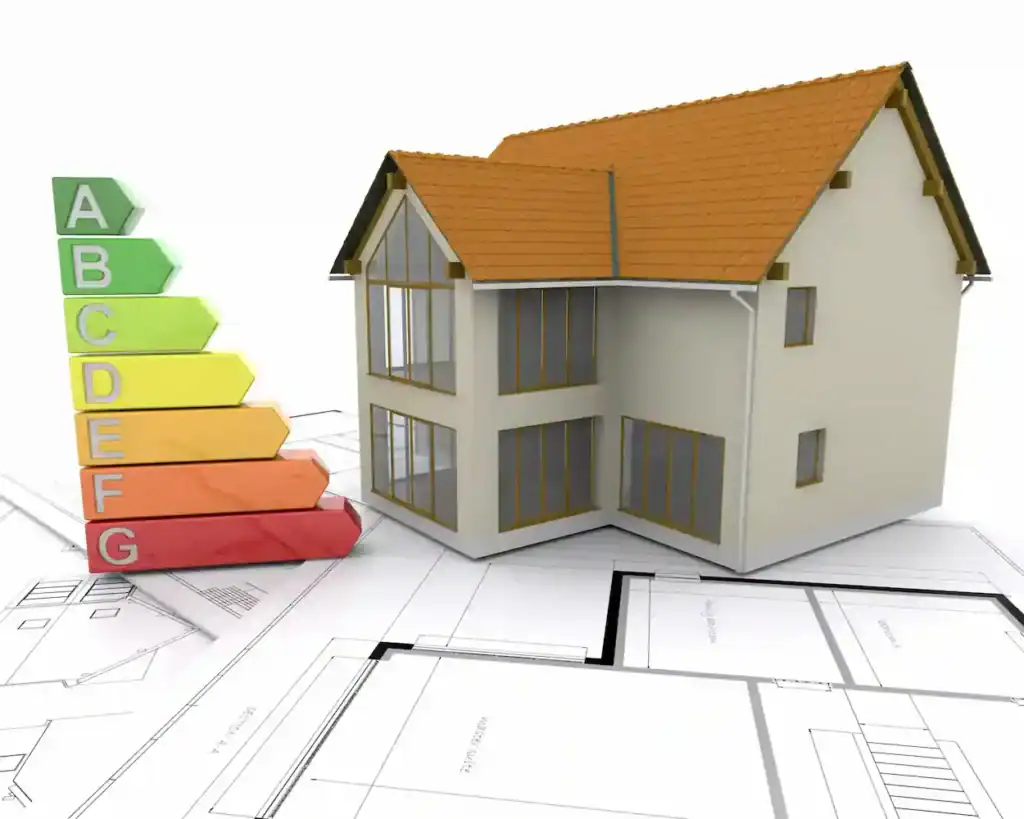
Heat retention capability determines required system size. Well-insulated homes with EPC ratings A-C need only £8,000-£11,000 for adequate systems because excellent heat retention means smaller heat pumps suffice. Properties with average insulation earning EPC rating D require £11,000-£13,500 for standard-sized systems. Poorly insulated homes rated EPC E-F need £13,000-£16,000 or more for larger systems compensating for significant heat loss. Improving insulation before installing your heat pump can reduce costs by 20-30% by allowing smaller systems to maintain comfort.
Not sure what the next step should be?
Our dedicated guide breaks it all down—The Ultimate Checklist Before installing a Heat Pump.
4. Location and Access
Installation location and ease of access affect labour costs substantially. Properties with easy access to installation areas cost £8,000-£10,000 for straightforward work. Challenging access situations—narrow passages, internal routing requirements, or constrained spaces—increase costs to £10,000-£12,500 due to additional labour time. Very difficult access requiring special equipment or extensive internal work can reach £12,500-£15,000. Each additional metre of pipe run between units typically adds £100-£200 as well.
5. Type of Heat Pump
System type naturally affects pricing. Basic air source systems providing heating only cost £8,000-£11,000. Reversible air source systems offering both winter heating and summer cooling cost £11,000-£14,000 due to additional components. Ground source systems with extensive groundwork requirements range from £16,200-£49,000 depending on installation type. More sophisticated systems with additional capabilities command proportionally higher prices.
Looking for a complete UK guide on this topic?
Read our detailed article to understand the different types of heat pumps.
6. Installation Complexity
Complexity variations between properties significantly impact cost. Straightforward installations in newer homes with good access and no special requirements cost £8,000-£10,000. Standard complexity installations typical of most retrofits require £10,000-£13,000. Complex installations in challenging properties—period buildings, listed structures, homes requiring significant modifications—reach £13,000-£18,000 or beyond. Unusual configurations, restricted access, or preservation requirements push toward upper cost ranges.
7. Installer and Region
Your chosen installer and geographical location create final cost variations. MCS-certified installers charge standard market rates whilst providing quality assurance and grant eligibility. Regional variations mean London and the Southeast typically charge 10-15% more than national averages. Rural areas may see additional travel charges if qualified installers must travel distance. Always obtain at least three quotes from MCS-certified installers to understand pricing in your specific area.
Reduce the price for a Heat Pump with Grants
Substantial financial support dramatically reduces actual costs. Understanding what’s available and how to access it transforms heat pump affordability.
Boiler Upgrade Scheme (BUS) – £7,500
The primary government support offers £7,500 toward both air source and ground source heat pump installations. This represents 40-60% of typical air source costs or 20-40% of ground source expenses.
Eligibility is remarkably broad. Homeowners, private landlords, and second-home owners throughout England and Wales qualify. Properties must be replacing fossil fuel heating systems like gas, oil, or LPG boilers. Installations must use MCS-certified installers. Since May 2024, no minimum EPC rating is required, making support available even to properties with poorer energy efficiency.
The application process is installer-led, meaning your chosen professional handles all paperwork on your behalf. They assess your property, prepare documentation, submit applications, and the £7,500 is deducted directly from your invoice. You never pay this amount and claim it back—the discount appears immediately.
A £10,000 air source installation becomes just £2,500 after the grant. Even a £12,000 installation requiring additional work drops to £4,500—comparable to premium gas boiler installations but delivering far superior long-term efficiency.
Energy Company Obligation (ECO) – £0-£10,000
The ECO scheme targets low-income households and can provide up to £10,000 in support for eligible families, sometimes covering entire installation costs. Qualification depends on receiving certain benefits or meeting income thresholds. Properties must meet specific energy efficiency criteria. Check eligibility through online simulators or by contacting participating energy companies directly.
Local Authority Grants – £500-£2,000
Some councils offer additional grants of £500-£2,000 to encourage heat pump adoption locally. Availability varies significantly by region, so contact your local authority to ask about programs in your area. These can combine with the Boiler Upgrade Scheme, further reducing your outlay.
VAT Reduction – £1,600-£2,400
Since 2022, heat pump installations qualify for 0% VAT instead of the standard 20% rate. Your installer automatically applies this reduction. For a £10,000 installation, 0% VAT saves £1,667. For £12,000, the saving reaches £2,000. These aren’t trivial amounts—they represent several months of heating costs.
Total Financial Help Available
Combining available support creates remarkable affordability:
| Support Source | Amount |
|---|---|
| Boiler Upgrade Scheme | £7,500 |
| ECO4 (if eligible) | £0-£10,000 |
| Local Authority Grants | £0-£2,000 |
| VAT Reduction | £1,600-£2,400 |
| Maximum Potential | Up to £20,000+ |
Need accurate, up-to-date information for UK homeowners?
Read our comprehensive guide to know if heat pumps are really worth it in the UK.
Real Example: Total Cost After Grants
Consider a typical scenario. Your £12,000 air source installation receives the £7,500 Boiler Upgrade Scheme grant. The automatic VAT saving adds £2,000. Your actual cost becomes £2,500—less than many gas boiler replacements and exceptional value for a system lasting 15-20 years.
Running Costs
Understanding ongoing expenses helps evaluate total ownership costs beyond initial installation. This long-term perspective reveals heat pumps’ true value proposition.
Annual Running Costs
Air source heat pumps typically cost £855-£1,200 annually for a well-insulated 3-4 bedroom home. This represents electricity consumed over a heating season. Well-insulated homes achieving good efficiency fall toward the lower end, whilst average insulation or higher desired temperatures reach the upper end.
Comparing with alternatives reveals important patterns:
| Heating System | Annual Cost |
|---|---|
| Air Source Heat Pump | £855-£1,200 |
| Modern Gas Boiler | £850-£1,100 |
| Oil Boiler | £1,200-£1,800 |
| Electric Storage Heaters | £1,500-£2,000 |
Heat pumps compete well with modern gas boilers at current energy prices whilst offering substantial savings over oil or electric heating. For homes replacing these expensive systems, heat pumps deliver immediate running cost reductions.
Factors Affecting Running Costs
Several elements influence your actual annual costs. Home size determines total heating demand. Insulation quality affects how much heat escapes, requiring more or less energy to maintain comfort. Your desired indoor temperature matters—every degree higher increases costs by roughly 5-10%. Looking for a complete UK guide on this topic?
Read our detailed article to understand what is the ideal flow temperature for an air source heat pump in the UK.
Current electricity tariffs (around 25-30p per kWh in 2025) directly impact expenses. System efficiency, measured by COP (Coefficient of Performance), determines how much heat you get per unit of electricity consumed.
Example: Running Cost Calculation
Consider a 150-square-metre home with good insulation. Electricity costs 28p per kWh. The property consumes 3,500 kWh annually for heating. Total cost equals £980 per year (3,500 × £0.28). Compared to gas heating at perhaps £1,100-£1,200 annually, this represents savings of £120-£220 per year.
Long-Term Savings
Over time, savings accumulate substantially:
- Years 1-5 might see annual savings of £200-£500 depending on your previous heating type and usage patterns.
- Years 6-10 often show increased savings of £300-£600 as gas prices typically rise faster than electricity.
- Years 11-20 can deliver £400-£800 annual savings.
Total savings over 20 years could reach £6,000-£12,000 or more, particularly for homes replacing oil or electric heating.
How to Get the Best Price for a Heat Pump
Five proven strategies help you secure excellent value without compromising quality. Getting the best price for a heat pump doesn’t mean choosing the cheapest option—it means finding the right balance between cost, quality, and service.
Get Multiple Quotes (3-5)
The price for a heat pump varies surprisingly widely between installers—often £2,000-£5,000 for identical work. Some variation reflects genuine quality differences, but some simply represents pricing strategies. Obtaining multiple quotes helps you identify reasonable middle ground whilst avoiding both suspiciously low quotes and excessive premium pricing. Allow 1-2 weeks to gather quotes from MCS-certified installers in your area.
What to Include in your quote request
Provide installers with comprehensive information to ensure accurate, comparable quotes. Specify your home’s size and type. Describe your current heating system. Explain your insulation status and any recent improvements. Note access to outdoor unit locations and any challenges. State your preferences between air source and ground source systems. Mention your available budget if you have firm constraints.
Questions to Ask Installers
Eight essential questions help assess installer suitability.
- What’s the total installation cost including everything? What potential additional costs might arise?
- What warranty coverage do you provide for equipment and installation?
- Are you MCS-certified?
- Can you help with grant applications?
- How long does installation take?
- What are ongoing maintenance costs?
- Can you provide recent customer references I can contact?
Red Flags to Watch Out For
Several warning signs suggest installers to avoid. Quotes significantly below market—under £7,000 for air source—often indicate corners being cut. Lack of MCS certification disqualifies them from grants and suggests inadequate credentials. Refusal to discuss grants indicates either inexperience or unwillingness to provide full service. Pressure for immediate decisions without proper assessment suggests sales tactics over professional service. Unwillingness to provide written quotes, warranties, or references raises accountability concerns. Vague quotes without itemized costs create risk of unexpected expenses.
Comparing Quotes
Create a simple comparison table to evaluate options systematically:
| Factor | Installer A | Installer B | Installer C |
|---|---|---|---|
| Total Cost | £10,000 | £11,000 | £9,500 |
| Warranty | 5 years | 10 years | 5 years |
| MCS Certified | Yes | Yes | No |
| Timeline | 4 weeks | 6 weeks | 2 weeks |
| Maintenance | £150/year | £200/year | £150/year |
This reveals Installer B offers superior warranty protection despite costing £1,000 more. Installer C’s lower price loses appeal without MCS certification, eliminating grant eligibility.
Negotiation Tips
Several approaches might reduce costs. Ask about cash payment discounts—some installers prefer immediate payment over delayed arrangements. Question whether any proposed work could be simplified without compromising performance. Inquire if alternative components might cost less whilst maintaining quality. Discuss whether shorter timelines might reduce costs if you’re flexible on installation dates.
Want a detailed UK-specific breakdown?
Read our full guide covering costs, efficiency, and real-world performance to see if it’s worth it for you.
How Long Until the Price for a Heat Pump Pays for Itself?
Understanding how long recovery takes helps evaluate whether heat pumps make financial sense for your circumstances.
What Is the Payback Period?
The payback period represents time required to recover your net investment through accumulated savings. If you spend £5,000 after grants and save £1,000 annually compared to your previous heating system, your payback period is 5 years. After this point, continued savings represent pure profit.
Average Payback Periods
Typical scenarios show varying timelines:
| Scenario | Payback Period |
|---|---|
| Air source with grants | 5-7 years |
| Air source without grants | 8-12 years |
| Ground source with grants | 8-12 years |
| Ground source without grants | 12-20 years |
Is the Payback Period Worth It?
Heat pump lifespans of 15-20 years mean most systems deliver substantial profit after payback completes. After 7 years, you’ve recovered your £5,000 investment. The following 8-13 years deliver £8,000-£13,000 in additional savings. This represents excellent return on investment whilst also reducing environmental impact and protecting against volatile fossil fuel prices.
Real Example: Complete ROI
Consider a complete lifecycle. Installation costs £10,000. The Boiler Upgrade Scheme provides £7,500. VAT savings add £1,667. Your net cost is £833. Annual savings compared to your old gas boiler average £500. Payback occurs in just 20 months. Years 2-20 deliver £9,000 in additional savings. Total profit over the system’s life reaches £8,167—remarkable return on an initial £833 investment.
Factors That Improve Payback
Several elements accelerate recovery. Better insulation reduces consumption, increasing savings. Lower electricity tariffs through heat pump-specific rates or solar panels decrease running costs. Higher grant amounts reduce net investment. More efficient systems deliver greater savings. Homes replacing expensive heating types like oil or LPG see faster payback.
FAQ: Common Questions About Heat Pump Prices
What’s the average price for a heat pump in the UK?
Air source systems cost £8,000-£13,500 installed. Ground source ranges £16,200-£49,000 due to extensive groundwork requirements.
Can government grants reduce the price for a heat pump?
Yes. £7,500 Boiler Upgrade Scheme plus 0% VAT saves £9,100-£9,900. Final cost drops to £2,500-£6,000.
How long does installation take?
Air source takes 1-3 days for typical homes. Ground source requires 1-2 weeks due to groundwork.
What’s included in the price for a heat pump?
Equipment, installation labour, pipework, electrical work, commissioning, and testing. Hot water cylinders and radiator upgrades cost extra.
Find out what affects the price for a heat pump.
Is the price for a heat pump worth it?
Yes. With grants, payback is 5-7 years. Remaining lifespan delivers £8,000-£13,000 savings plus environmental benefits.
Explore our complete article on “Are heat pumps worth it in the UK?”.
How can I get the best price for a heat pump?
Get 3-5 MCS-certified quotes, compare itemised costs, check grant eligibility, and avoid suspiciously low quotes.
Find out the best practices to reduce the cost of a heat pump installation.
Summary
The price for a heat pump varies considerably, but with government support and proper planning, systems are more affordable than many expect. Air source systems cost £8,000-£13,500 before grants, whilst ground source ranges from £16,200-£49,000.
With the Boiler Upgrade Scheme providing £7,500 and automatic VAT savings adding £1,600-£2,400, the actual price for a heat pump could be as low as £2,500-£6,000 for air source systems. Combined with annual savings of £200-£800 depending on your previous heating type, payback periods of 5-10 years make heat pumps increasingly practical investments.
Air source heat pumps cost £8,000-£13,500, but government grants reduce this by £7,500-£10,000. Running costs are £855-£1,200 annually, competing well with gas boilers. Payback periods typically span 5-10 years. Always obtain three quotes before deciding. Check your grant eligibility to maximise savings.
Ready to get started? Read our ultimate checklist before installing a heat pump in 2026.
Sources
- Ofgem. (2025). “Boiler Upgrade Scheme (BUS).” https://www.ofgem.gov.uk/environmental-and-social-schemes/boiler-upgrade-scheme-bus
- Energy Saving Trust. (2025). “Boiler Upgrade Scheme explained.” https://energysavingtrust.org.uk/grants-and-loans/boiler-upgrade-scheme/
- GOV.UK. (2025). “Boiler Upgrade Scheme.” https://www.find-government-grants.service.gov.uk/grants/boiler-upgrade-scheme-1
- The Eco Experts. (2025). “Heat Pump Costs 2025: Factors, Calculator & Running Costs.” https://www.theecoexperts.co.uk/heat-pumps/cost-guide
- Greenmatch. (2025). “Air Source Heat Pump Costs in the UK: 2025 Guide.” https://www.greenmatch.co.uk/heat-pumps/cost
- Greenmatch. (2025). “Ground Source Heat Pump Cost in the UK (2025).” https://www.greenmatch.co.uk/ground-source-heat-pump/cost
- HomeOwners Alliance. (2025). “How Much Does A Heat Pump Cost 2025.” https://hoa.org.uk/advice/guides-for-homeowners/for-owners/how-much-does-a-heat-pump-cost/
- Checkatrade. (2025). “Ground Source Heat Pump: Cost Breakdown 2025.” https://www.checkatrade.com/blog/cost-guides/ground-source-heat-pump-cost/
Commentaires
One response to “Price for a Heat Pump: Complete 2026 Guide”
[…] We’ve written a more comprehensive piece on heat pump prices if you’d like to explore it further. […]